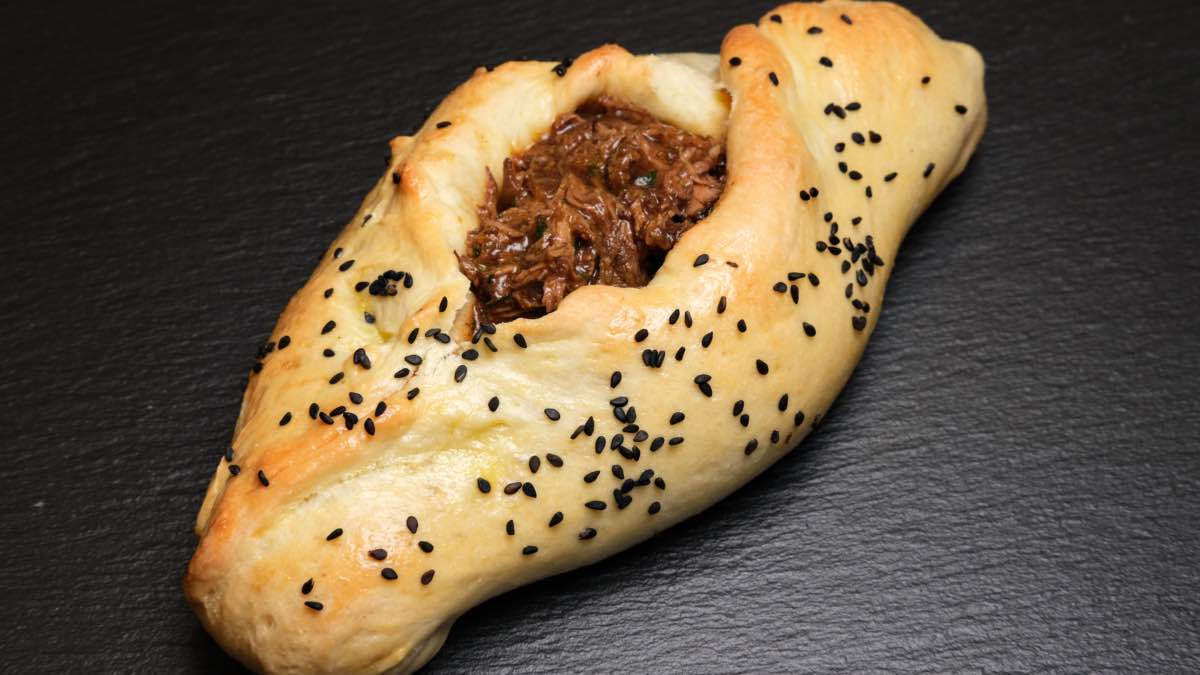
Shamburak: Kurdish Pastry from Jerusalem’s Ishtabach
How to Make Shamburak
By: Rachel
Travel and food have always been inseparable for me. Every journey feels like an invitation to taste a story. This one led me to an unforgettable discovery—to a restaurant called Ishtabach, and to a humble Kurdish pastry: shamburak.
Discovering New Flavors Through Travel: Shamburak, Malabi, and More
One of the things I love about traveling is discovering dishes that tell a story—unique dishes that have been shaped by geography, culture, and time. Jerusalem, for one, is a place where centuries-old traditions meet modern creativity.
Many of Jerusalem’s iconic dishes left a lasting impression on me—malabi (a sweet and creamy dessert flavored with rosewater), marak kubeh (hot soup with meat dumplings encased in bulgur wheat), and shamburak.
Shamburak is a Kurdish pastry that is crisp on the outside and tender within. I first tasted it at Ishtabach, a restaurant tucked in the lively Machane Yehuda Market. It is a dish that has stayed with me ever since. That first bite sparked more than just curiosity about the food—it deepened my fascination with the city itself.
The Timeless Charm of Jerusalem
Jerusalem is a magical city. Each time I visit, I feel as though I have been transported to another time and place. And when I travel to the oldest parts of the city, it feels as though there is mystery around every corner. I love learning all I can about Jerusalem’s nearly 6,000-year history. I could go on and on about that, but instead, I’ll share just one of my favorites.
A Quick Trip Down the Rabbit Hole
Many Christians believe that the Church of the Holy Sepulchre is the site of the crucifixion, burial, and resurrection of Christ. The church was consecrated on September 13, 335, and is jointly managed by the Roman Catholic, Greek Orthodox, and Armenian Apostolic churches.
Since custody of the site was always meant to be shared, none of these entities holds the keys to the site. Instead, since 1192, the Nusaybah family have been the custodians of the keys. The history of this Sunni Muslim family dates back to the first Muslim conquest of Jerusalem in 637. The keys to the church have been handed down from family member to family member for thirty generations.
Can you imagine? Every single morning, for nearly 1,000 years, a member of the Nusaybah family has faithfully unlocked the door. In all that time, the church has only closed twice. The first time was in 1349, due to the black plague. The second time? March 25, 2020, due to COVID-19. Clergy continued daily prayers at the site during the closure to the public; the church reopened two months later on May 24.
But Back To the Food!
Jerusalem’s Machane Yehuda Market is home to many of the city’s beloved restaurants, including Ishtabach. This clever name has two meanings: its literal translation is “the man is a chef”. It is also an acronym from Hebrew liturgy that means “God shall be praised.” Chef-owner Oren Sasson-Levy draws inspiration for his dishes from his and his wife’s family heritage—pulling from a combination of Kurdish, Syrian, and Indian flavors.
Kurdish Shamburak: A Tasty Treat Worth Traveling For
Shamburak is one of Ishtabach’s signature dishes, and mine was simply unforgettable. Juicy, succulent braised beef sat atop a layer of bright yellow mashed potatoes, seasoned with turmeric and studded with cumin seeds. A delectable Kurdish pastry studded with nigella seeds and topped with chimichurri held the savory fillings. In addition to being a delicious element, the potato layer is a clever addition—it creates a barrier between the juicy meat and the delicate pastry, ensuring that the dough doesn’t become soggy.
Recreating Shamburak at Home
Approximating Ishtabach’s sublime creation wasn’t easy, and I know I’ll never get it exactly right. Still, every attempt at shamburak has deepened my appreciation for this delicious and complex dish. Since I can’t get to Jerusalem all that regularly (though the opening of a second location in New Jersey is excellent news for the hungry and the curious stateside), this version definitely satisfies any cravings that pop up.
When I made this dish at home, I usually serve it with an Israeli salad—just the thing to balance the richness of the pastry. Olivia’s wine recommendations complete the meal.
Beverage Pairing
By: Olivia
Shamburak is beautifully rich and spiced, making Syrah, Grenache, and Malbec excellent pairings. Each brings its spice and earthiness to the palate, mirroring the dish’s cumin and turmeric. These wines will also enhance the depth of flavor from the braised beef!
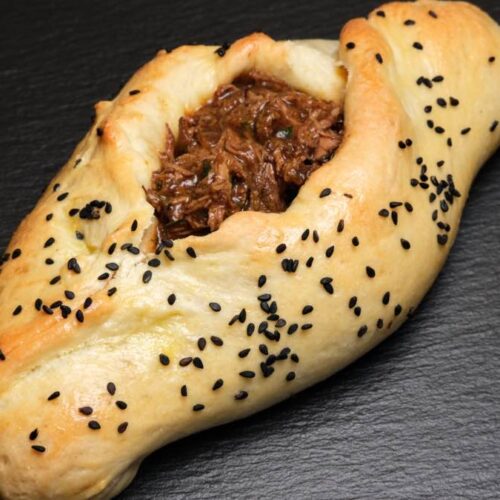
Shamburak
Equipment
- Kitchen scale or measuring cups ands poons
- Measuring cups and spoons or kitchen scale
Ingredients
For the beef:
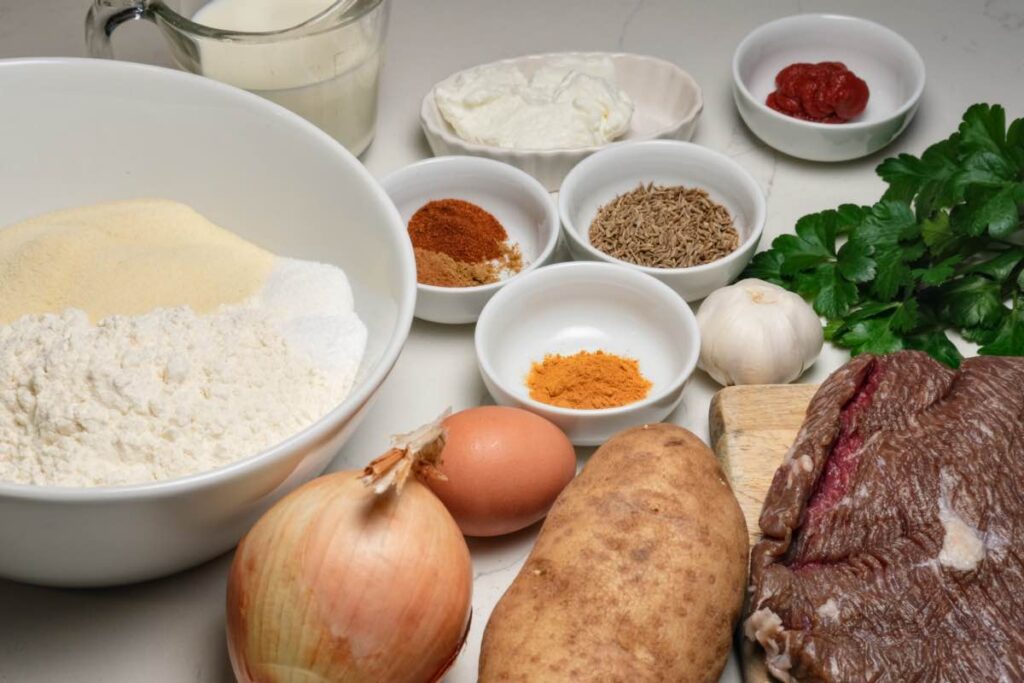
- 2 pounds (1 kilo) beef brisket
- Kosher salt
- Freshly-ground black pepper
- Olive oil
- 1 medium yellow onion thinly-sliced
- 4 cloves garlic minced
- 2 tablespoons tomato paste
- 1 teaspoon paprika
- ½ teaspoon cumin
- ½ teaspoon cinnamon
- 2 cups (500mL) beef stock
- 2 tablespoons parsley freshly-chopped
For the potatoes:
- 4 large russet potatoes
- 1 tablespoon cumin seed
- 2 tablespoons olive oil
- 1 medium onion thinly-sliced
- 1 teaspoon turmeric
- Kosher salt to taste
For the dough:
- 4 ½ cups (560g) all-purpose flour
- ¾ cup (120g) fine semolina
- 1½ teaspoons salt
- 1½ tablespoons sugar
- ½ teaspoon instant yeast
- 1 cup (270mL) warm milk or water
- 6 tablespoons (90g) plain Greek yogurt
- 6 tablespoons (90mL) olive oil or melted butter
- 1 egg
For the egg wash:
- 1 egg yolk (mixed with the milk, for brushing)
- 1 tablespoon milk or cream
- 2 tablespoons nigella seeds
Step by Step Instructions
For the beef:
Step 1
- Cut the brisket into large chunks and season well on all sides with kosher salt and freshly-ground black pepper.
Step 2
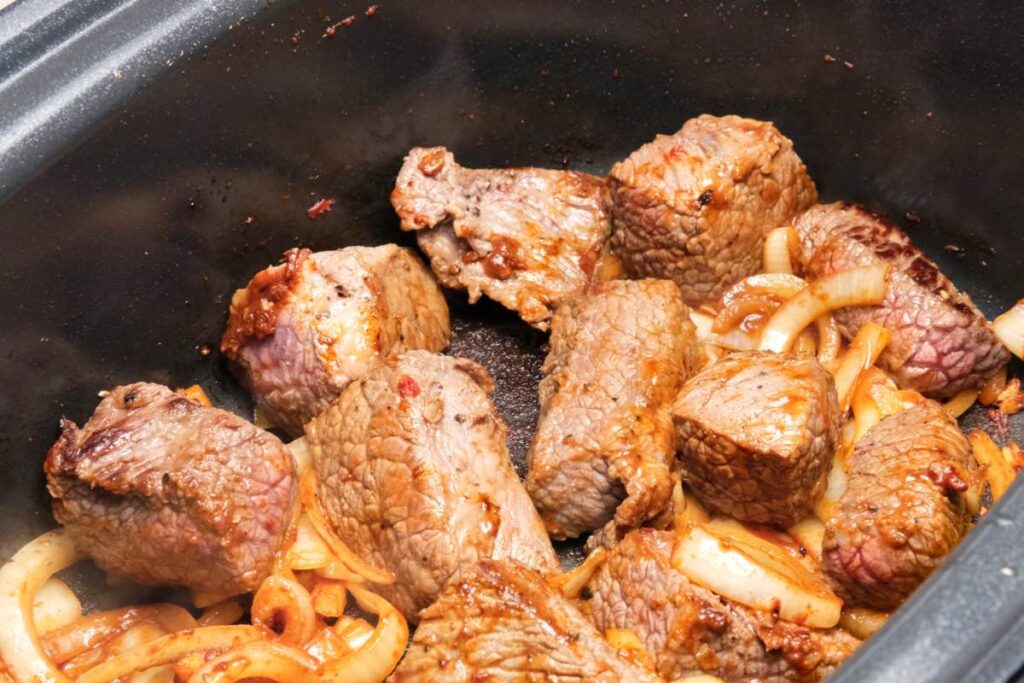
- Heat a large, heavy pan over medium-high heat (if you have a slow-cooker with a sear function, that is ideal) and add a light drizzle of olive oil to coat. Sear the meat well on all sides until deeply browned. Carefully remove with tongs and set aside.
Step 3
- Turn the heat down to medium and add another coat of olive oil to the pan. Add the onions and cook until lightly browned, then add the garlic. Cook for 1-2 minutes or until softened and fragrant. Add the tomato paste, paprika, cumin, and cinnamon. Cook while stirring for 3-4 minutes.
Step 4
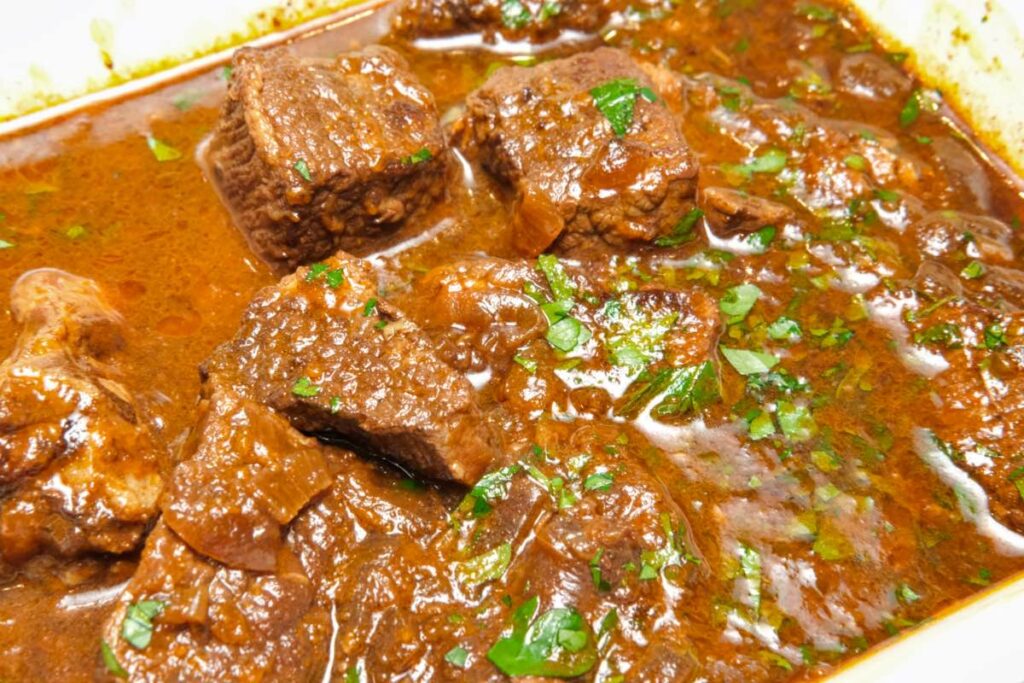
- Return the meat to the pan, add the stock, and bring to a simmer. Cover and braise at a low simmer (or add to your slow cooker at the low setting) for 6-8 hours or until tender. Refrigerate overnight.
Step 5
- In the morning, a layer of fat will have collected at the top; skim and discard. Remove about half of the juices and reserve to add to the potatoes. Shred the meat in the remaining juices and stir in the chopped parsley.
For the potatoes:
Step 1
- Peel the potatoes, rinse, and cut into large cubes. Add to a pot of cold water and boil just until tender and easily pierced by a knife. Drain well.
Step 2
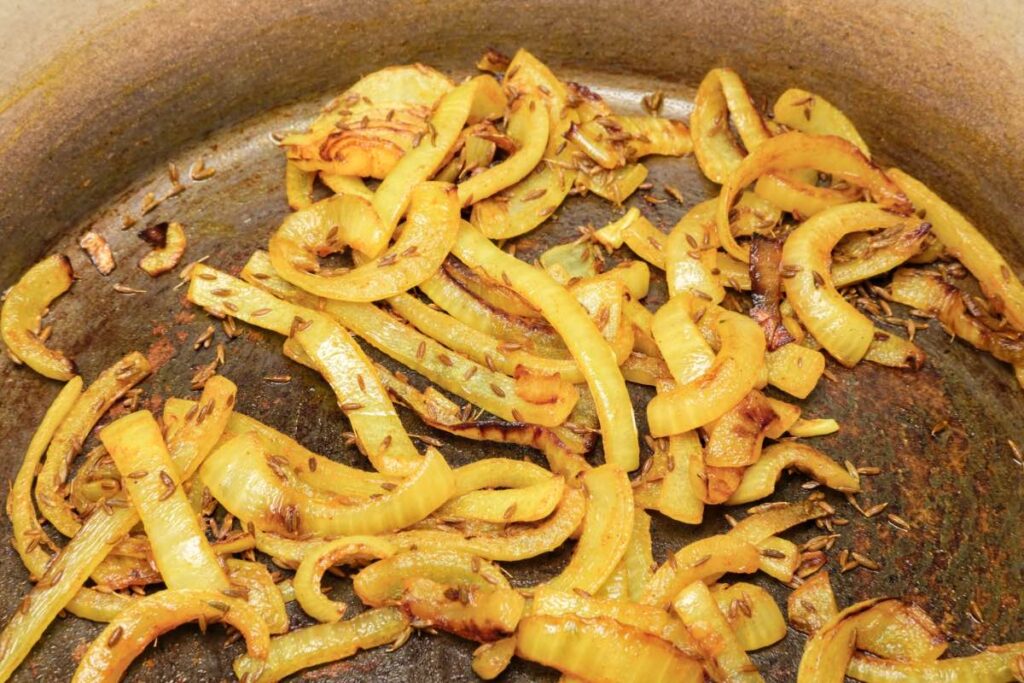
- While the potatoes are cooking, heat 2 tablespoons olive oil to a skillet. Add the sliced onion and cook until softened and browned. Add the turmeric and toast while stirring for one minute, then add the cumin seed and toast for another minute.
Step 3
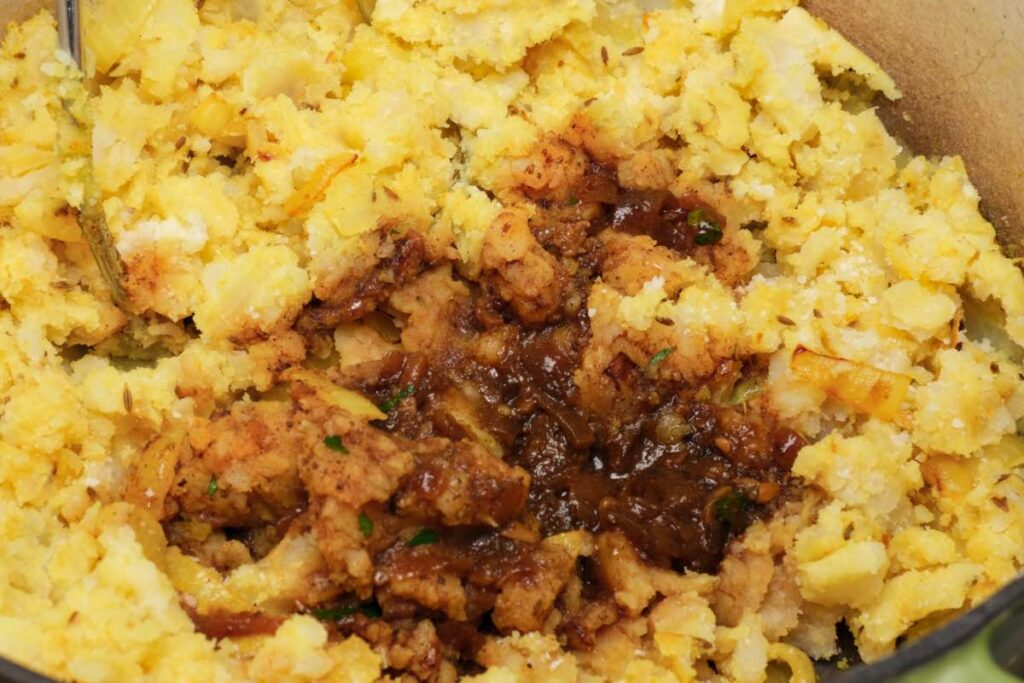
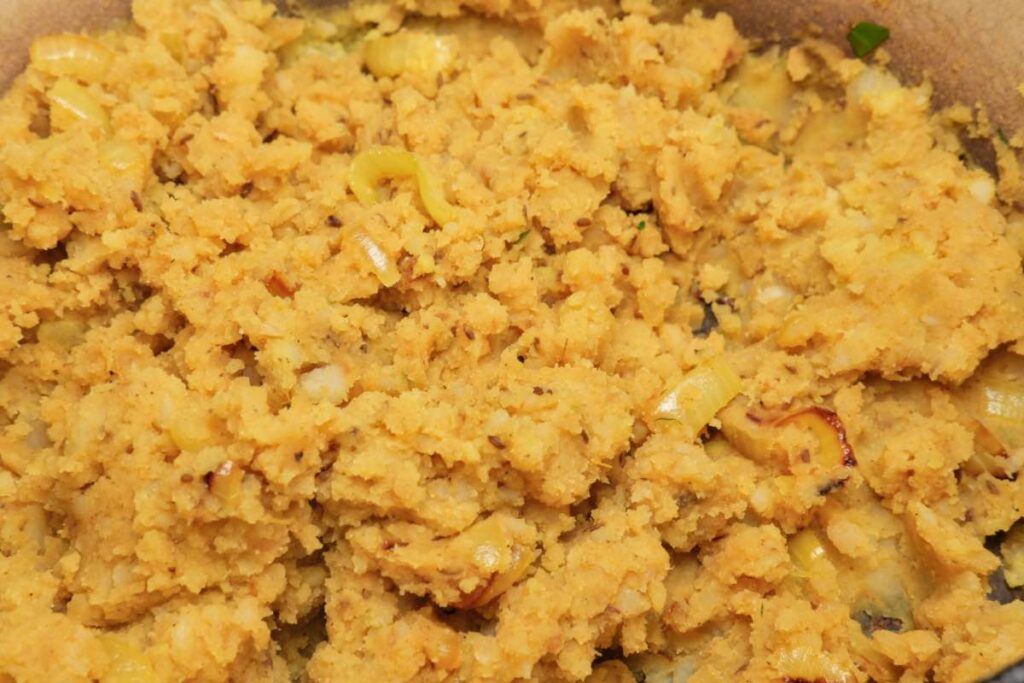
- Add the onion, turmeric, and cumin seed mixture to the potatoes and mash, adding the reserved meat juices, and season with salt. Allow to cool, and transfer to the refrigerator.
For the dough:
Step 1
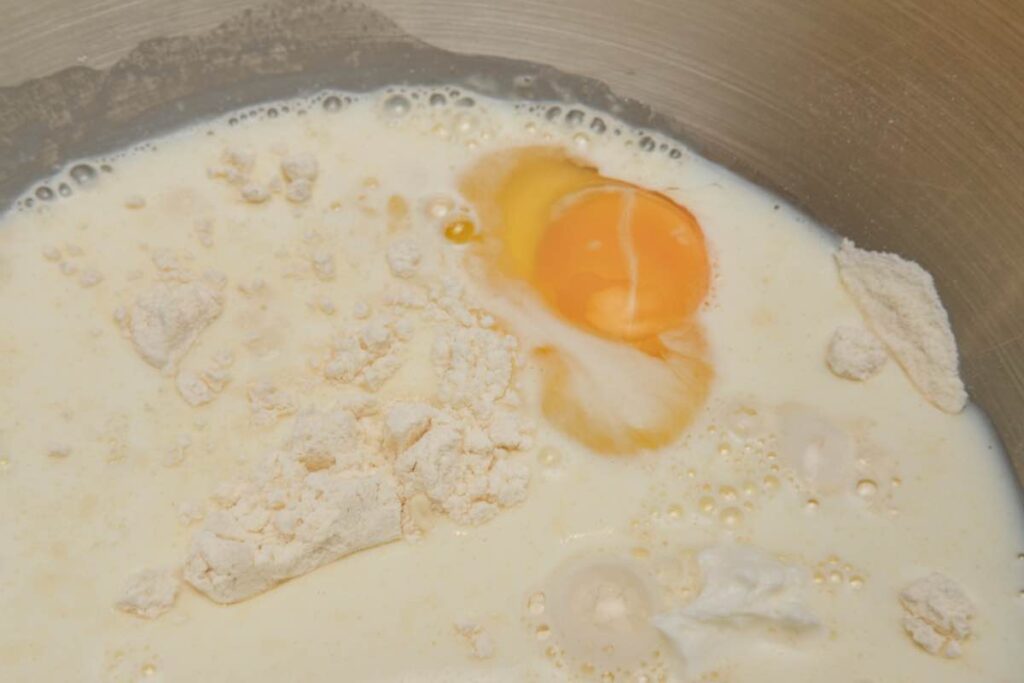
- In a large bowl, combine flour, semolina, salt, sugar, and yeast. Add yogurt, oil, and egg (if using).
Step 2
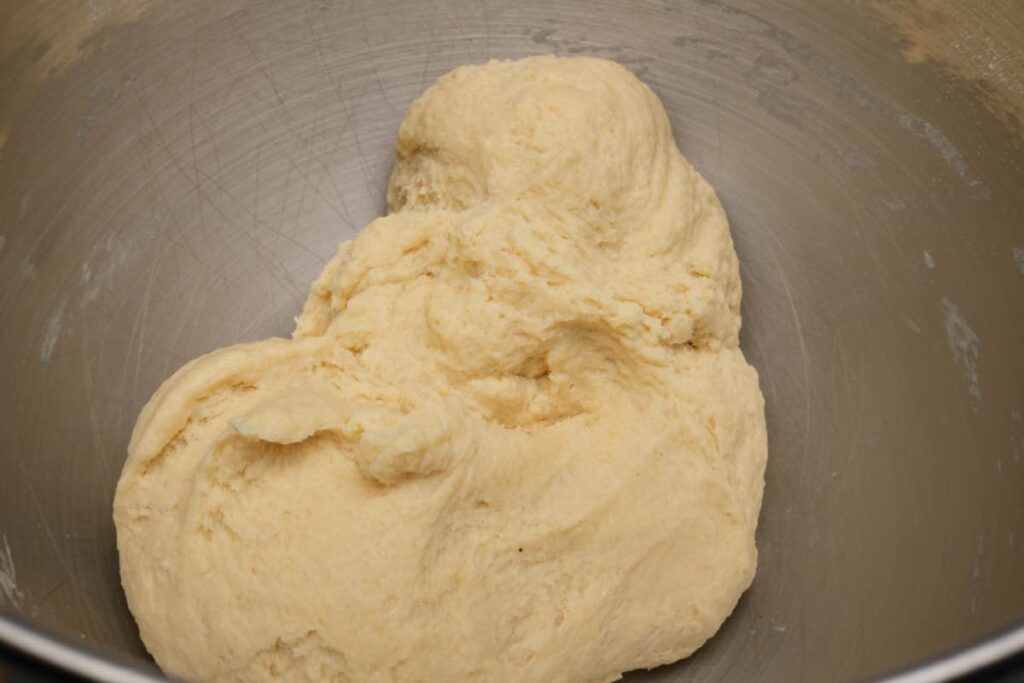
- Gradually pour in the warm milk, mixing until a soft dough forms. Knead for 8–10 minutes until smooth and elastic. Allow to rest for 15 minutes.
Step 3
- Now, stretch and fold the dough. Lightly oil your hands, and grab one corner of the dough. Pull it out, and fold it back toward the center. Make three more stretch and folds, turning the dough a quarter-turn each time. Allow the dough to rest for 15 minutes more, and repeat the stretch and fold process.At this point, you may rest the dough for another 15 minutes and perform another round of stretching and folding, or simply allow the dough to rise for 1 hour and proceed.
Step 4
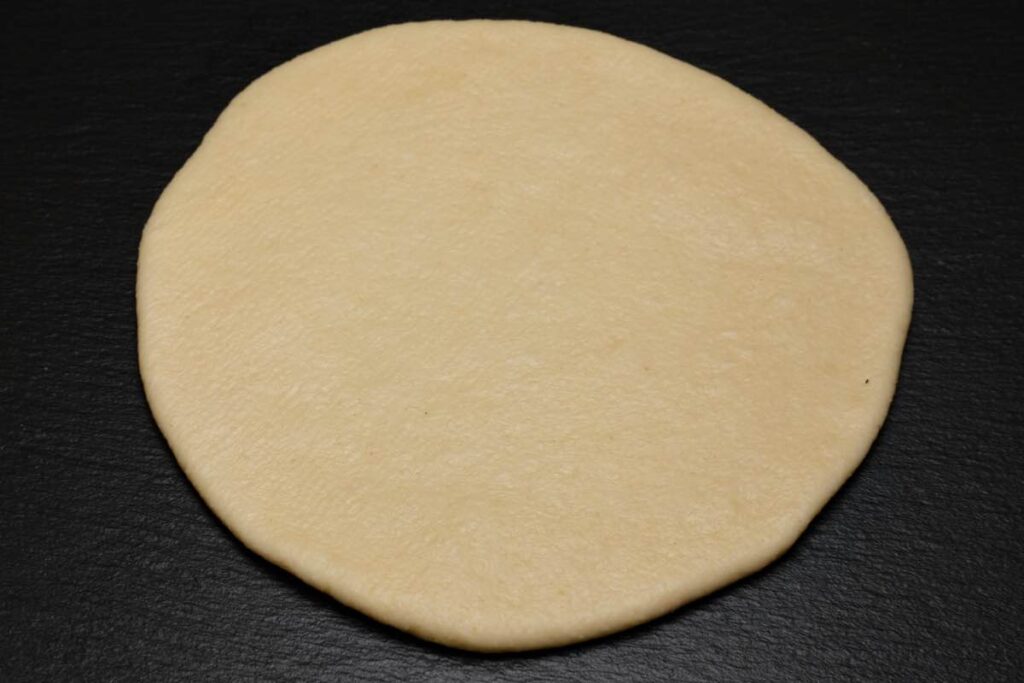
- Divide the dough into about 12 equal pieces, each around 100-125g (3 ½ – 4 ½ oz). Roll each piece into a ball, then flatten into a circle about 4–5 inches (10–12 cm) wide.
Step 5
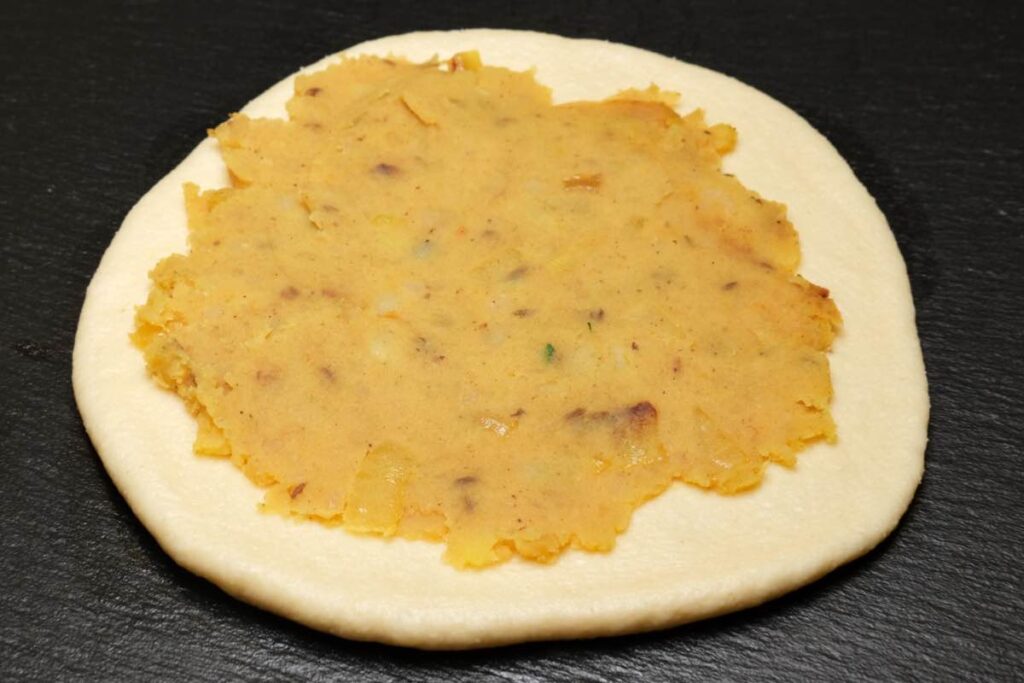
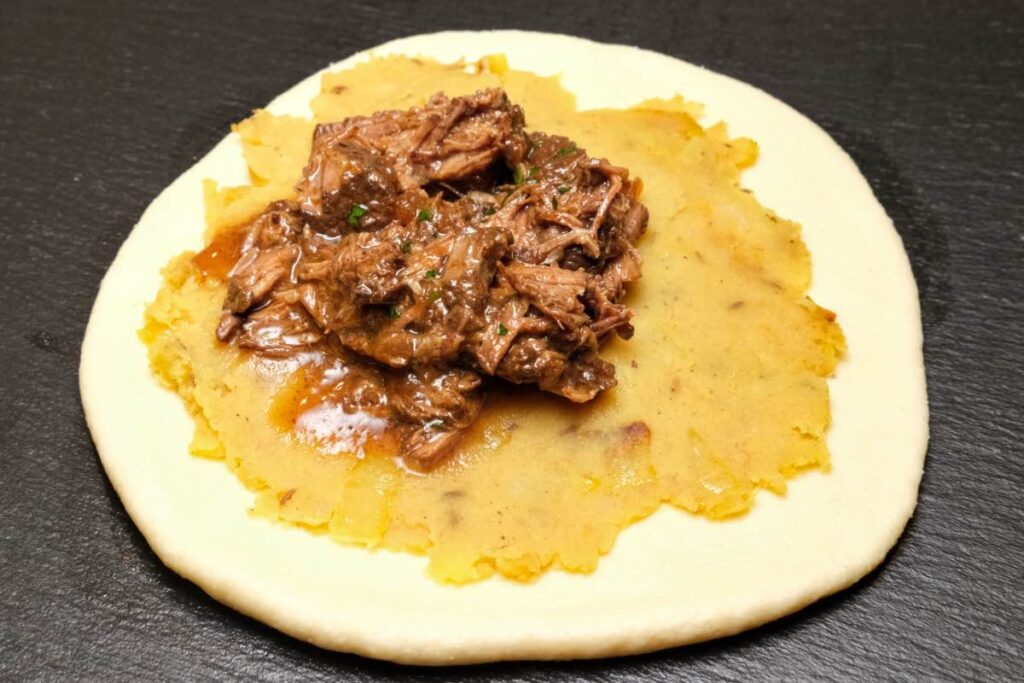
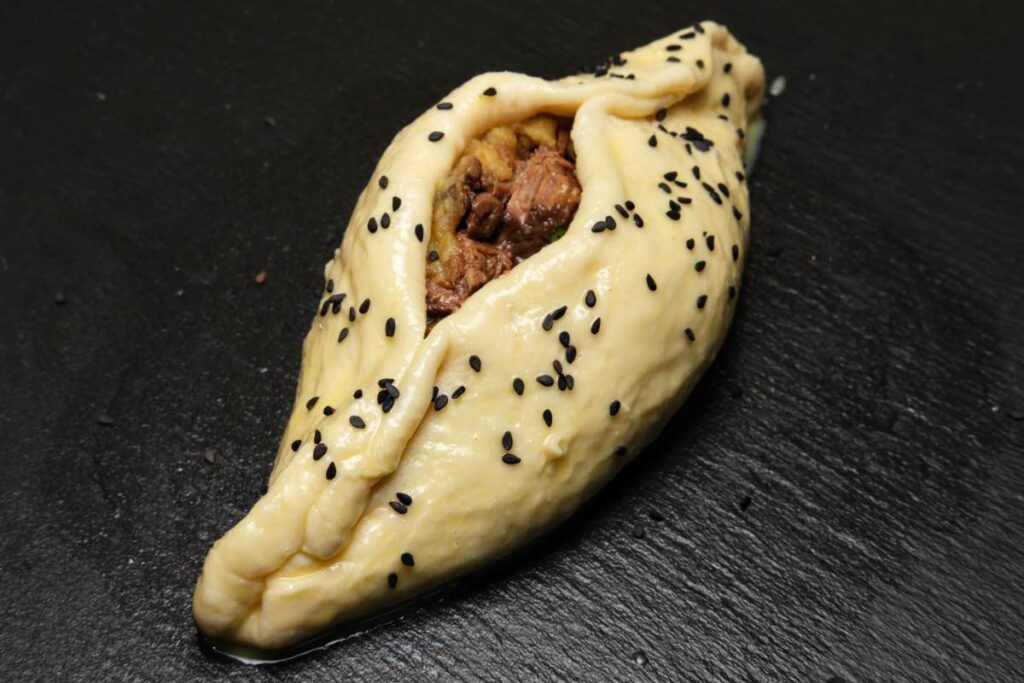
- Add a generous layer of potato and spread to cover with a ¼” (½ cm) border around the edges. Place 1–2 tablespoons of the cooled beef filling on top of the potato. Bring the edges together at the top and pinch to seal, leaving an opening at the center.Transfer the pastries to a large, parchment-lined sheet pan. Brush each shamburak with the egg yolk and milk mixture, and sprinkle generously with nigella seeds.
Step 6
- Allow the pastries to rest for 20–30 minutes while the oven preheats to 400°F (200°C).
Step 7
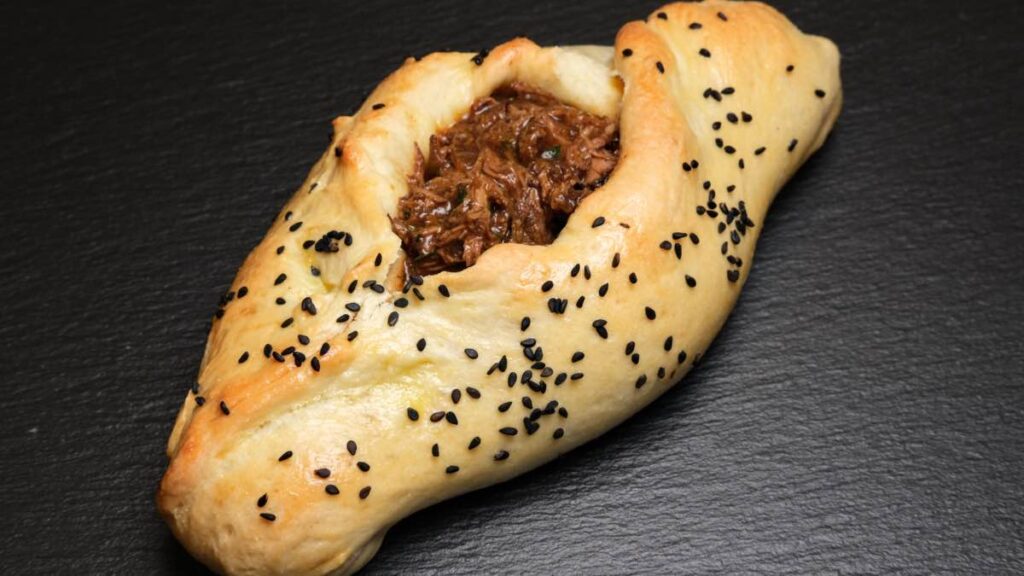
- Bake for 3 minutes, then turn the oven down to 375°F (190°C). Bake for 18–20 minutes, until golden brown and fragrant. Allow to cool for a few minutes before serving.
I’ve eaten at Ishtabach about half a dozen times, most recently today. This recipe with 1-2 tablespoons of meat filling makes considerably smaller shamburaks than theirs, which have about a cup. They bake them at 250 C (480 F) for 15 minutes I was told. The tabun, the open flamed-oven, is out in the open. Also please note that as a kosher restaurant there is no milk or yogurt in their dough.
Thanks for trying the recipe! I’ll be sure to add a substitution for those who want to make a dairy-free dough.