Easy Tabbouleh Salad
About this Recipe
By: Rachel
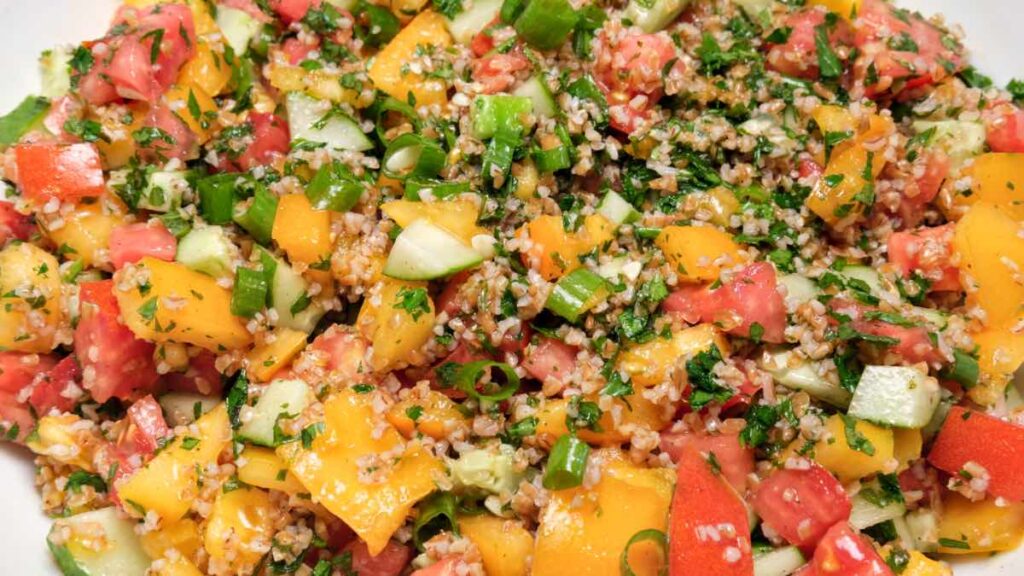
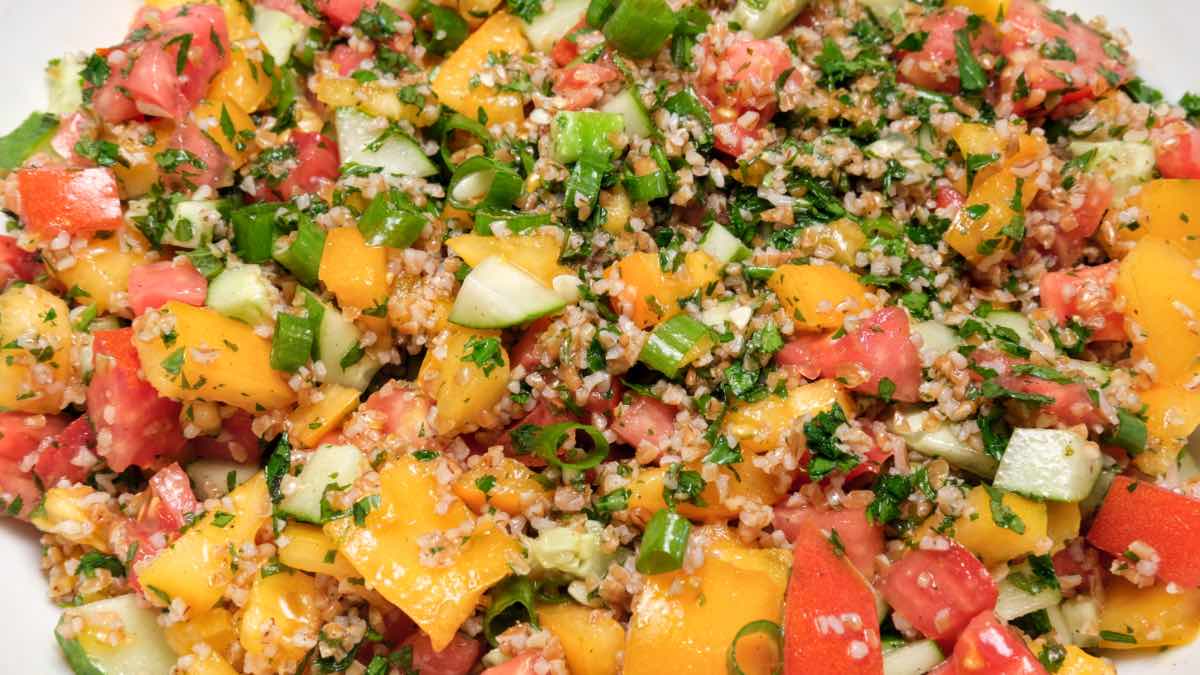
Tabbouleh salad is a bright, refreshing dish that is as nourishing as it is delicious. Made with grains, veggies, and herbs, this Middle Eastern favorite comes together with a zesty lemon and olive oil dressing. Tabbouleh offers a fresh balance of flavors that is perfect for summer.
Lebanese Salads: A Tradition of Grains and Greens
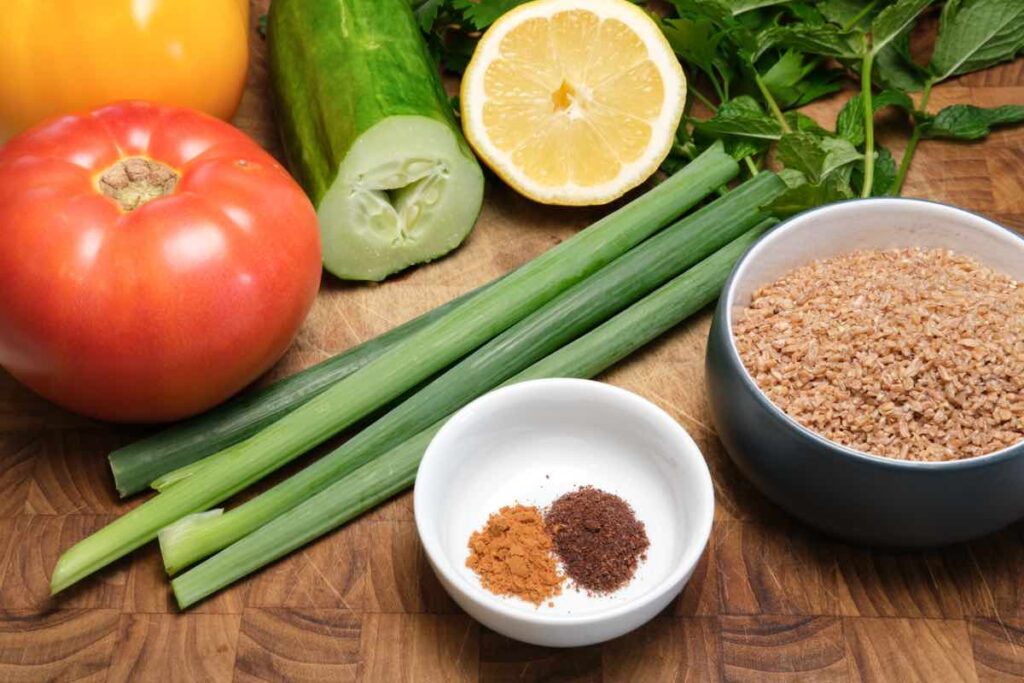
Lebanese cuisine has a wonderful tradition of adding breads or grains to dishes, where they serve not as the star, but as a supporting actor—soaking up the juices and flavors and adding welcome texture.
Fattoush vs. Tabbouleh Salad: Two Iconic Middle Eastern Salads
Fattoush and tabbouleh are two of the most beloved salads in Middle Eastern cuisine, each with its own character. Fattoush is a hearty green salad with vegetables, herbs, and a bright lemon dressing; the addition of fried or baked pita bread makes the dish more filling.
Tabbouleh salad, on the other hand, is lighter and more herb-forward, built around parsley, mint, and bulgur wheat with a lemon and olive oil dressing. While fattoush leans on bread for texture, tabbouleh highlights fresh herbs and grains, making both salads refreshing but distinct in their appeal.
The Origins of Tabbouleh Salad
Tabbouleh, whose name comes from the Arabic word for “spice,” is thought to have originated in the mountains of Lebanon and Syria over 4,000 years ago. It includes fresh vegetables and herbs tossed together with bulgur wheat in a lemon and olive oil dressing.
The bulgur adds bulk and texture to the tabbouleh salad without distracting from the fresh vegetables. It soaks up the lemony dressing and the juice of fresh, ripe tomatoes, and takes on the wonderful, simple flavor of the salad.
Tabbouleh Salad Recipe Variations
Tabbouleh is endlessly adaptable, and many modern cooks give it a twist while keeping true to the refreshing original dish. Instead of the traditional bulgur, you might see quinoa, millet, rice, or even lentils used for different textures and dietary needs. Parsley usually takes the spotlight, but swapping in herbs like cilantro, basil, or extra mint can shift the flavor profile in subtle ways.
Some tabbouleh salad versions are greener with more herbs, while others go grain-forward, as in Turkish and Armenian styles. You’ll also find creative add-ins like chickpeas, grilled vegetables, or pomegranate seeds for extra color and substance.
Serving Ideas: What to Eat with Tabbouleh
Tabbouleh salad shines as part of a mezze platter alongside hummus, baba ganoush, and warm pita. It also pairs beautifully with grilled meats like chicken, lamb, or beef kebabs, balancing their richness with freshness. For a lighter meal, serve it with falafel or stuff it into pita wraps with roasted vegetables. You can even enjoy it as a side to seafood dishes or scoop it over leafy greens for a refreshing grain-and-herb salad bowl. For something with a bolder kick, try it with this jerk chicken dish.
Tabbouleh: Lebanon’s National Dish
Today, this beloved salad is the national food of Lebanon. And while there are plenty of fun variations, my very own tabbouleh salad recipe stays close to tradition. I like to make it in the summer, when juicy tomatoes are ripening on the vine and cucumbers are sweet and crunchy. Remember that a great tabbouleh salad is all about freshness and balance.
Beverage Pairing
By: Olivia
Taking direction from the herbal and bright notes of this tabbouleh salad, your wine pairing should enhance those same qualities. Sauvignon Blanc immediately comes to mind with its racy acidity, citrus notes, and hint of herbaceousness. This recipe also brings me to Grüner Veltliner. High acid with herbal notes and subtle spice, it’s a great complement to the tabbouleh. Violet Wine currently has a new crowd-pleaser: Bauer Hollötrio Grüner 2024. It’s zesty and hits all the right notes for this dish!
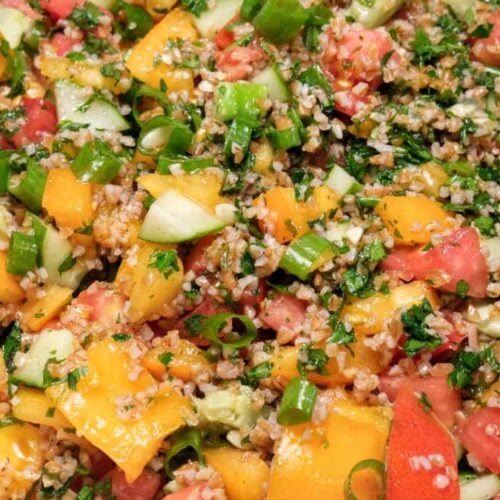
Easy Tabbouleh Salad
Equipment
- Kitchen scale or measuring cups and spoons
- Measuring cups and spoons or kitchen scale
Ingredients
For the dressing:
- ¼ cup (60mL) extra-virgin olive oil
- ¼ cup (60mL) fresh lemon juice
- ¾ teaspoon kosher salt
- ½ teaspoon ground sumac
- ½ teaspoon cinnamon
For the salad:
- 1 cup (170g) bulgur wheat
- 3 cups (100g) Italian parsley (I blitz it in the food processor to save time)
- ½ cup (25g) fresh mint (You can put it in the food processor with the parsley)
- 1 large English cucumber peeled and finely diced
- 3-4 medium ripe tomatoes diced
- 6 medium green onions finely chopped
Step by Step Instructions
Step 1
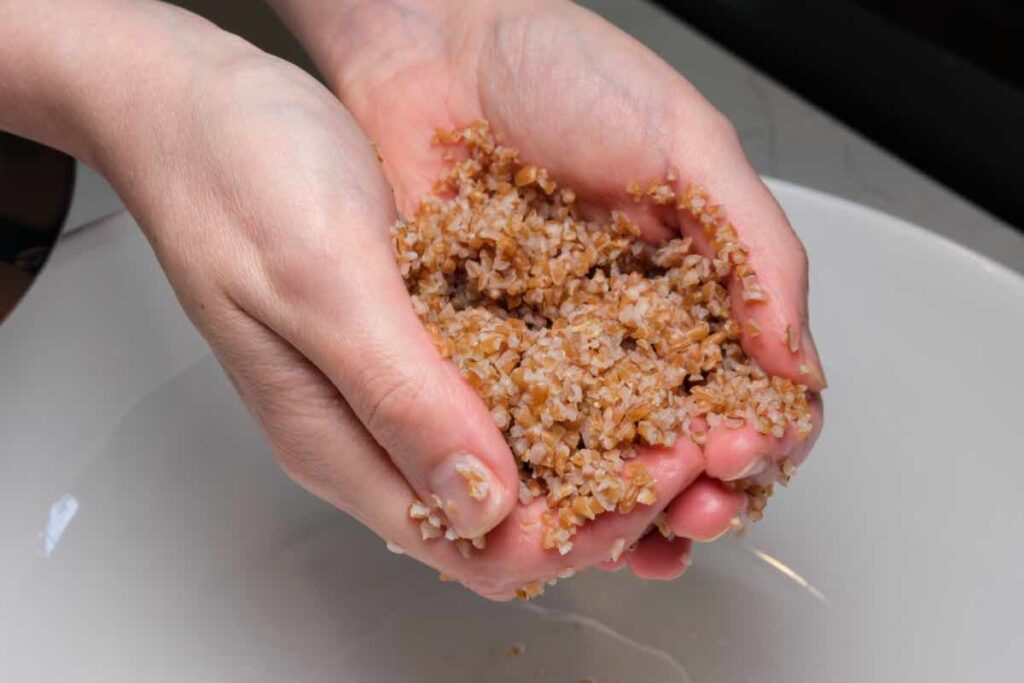
- Soak bulgur wheat in plenty of hot water for 15–20 minutes, or until tender. Drain well, squeezing out excess water with your hands. Set aside to cool.
Step 2
- In a medium bowl, whisk together the ingredients for the dressing until well-combined, and set aside.
Step 3
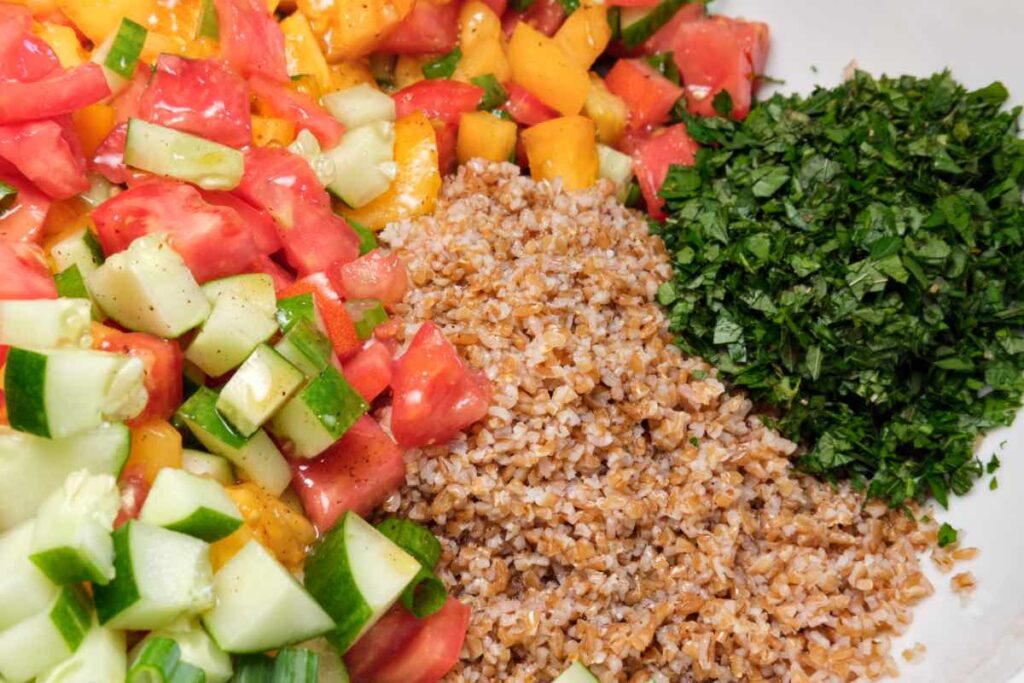
- To a large bowl, add the parsley, mint, cucumber, tomato, and green onions. Add in the drained wheat, and mix to combine.
Step 4
- Add the dressing and mix well, correcting the seasoning as desired. There is no “wrong” way to make tabbouleh; you can add more lemon for brightness or more olive oil to tone down the acid; add more salt, herbs, or spices.