How to Make Challah Bread at Home
About this Recipe
By: Rachel
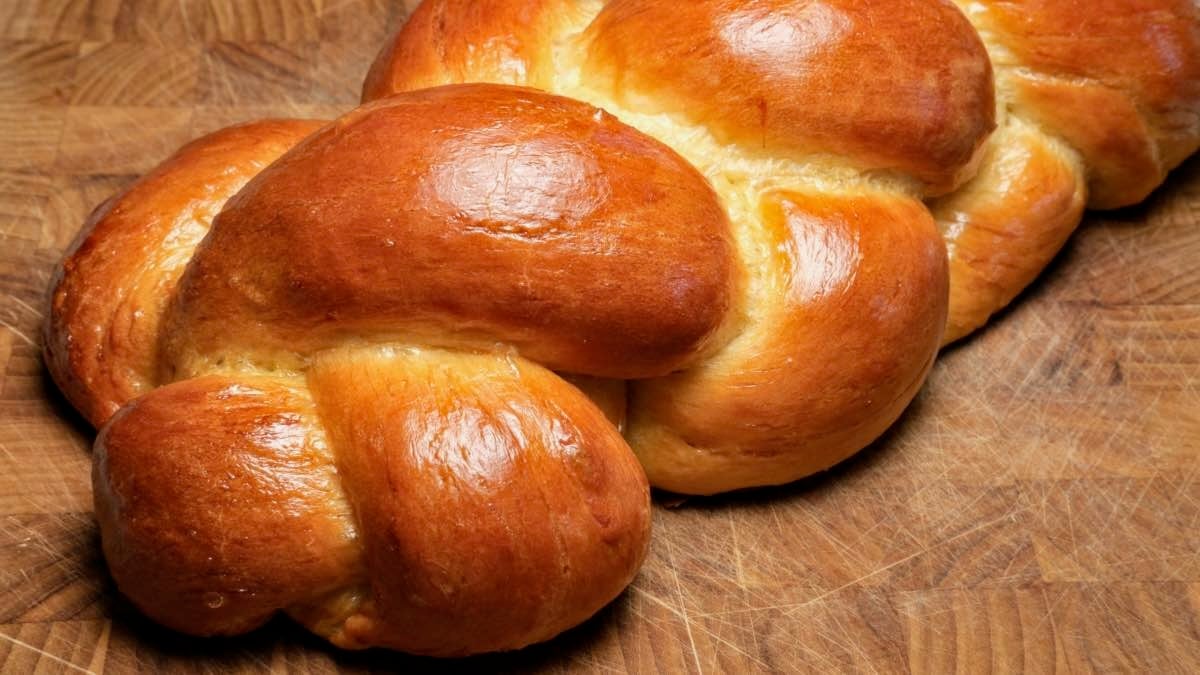
Challah is a classic, braided bread that’s sweet, soft, and delicious. As it bakes, it will fill your home with the unmistakably comforting aroma of freshly-made bread.
This beautiful loaf will make the perfect addition to your Shabbat table, and the leftovers (if you have any!) make for the very best French toast or bread pudding.
Before You Begin: What You Should Know About Challah
Challah is a traditional, braided loaf served on the Jewish Sabbath table. It is sweetened, traditionally with honey, and enriched with whole eggs. Especially when combined with matzo ball soup simmering on the stove, freshly-baked challah lets you know immediately that it is Friday night and that Shabbat is coming.
While challah is not difficult to make, it takes practice to master the perfect loaf. I’m going to give you tips and tricks on how to make challah bread that is both beautiful and delicious. This homemade challah bread will be a welcome addition to your Sabbath table. But, of course, it’s just as enjoyable any day of the week.
You can also use your challah loaf in recipes like this Thanksgiving rice stuffing side dish. Or try it in this make-ahead bread pudding for a cozy brunch treat.
The Right Ingredients for an Easy Challah Bread Recipe
The right ingredients are key to making the perfect homemade challah bread. They also make any easy challah bread recipe more reliable.
If possible, use bread flour. The higher protein level helps to create a better-structured and lighter loaf. The higher amount of gluten leads to a pleasant, chewy texture in the finished bread.
I also encourage you to use the best-quality eggs you can find—ideally, pastured eggs. “Free-range” has a loose definition in the United States—the chickens must have some access to the outdoors, but there are no guidelines for how much time they can access the outdoors or how large the outdoor spaces should be. On many commercial farms, each hen is only allotted 1-2 square feet of space.
Pastured hens, however, are typically each allotted at least 108 square feet of space to roam and forage. Their access to sunlight and a varied diet typically results in much more flavorful eggs with dark, nutrient-rich yolks.
Finally, choose high-quality, local honey. You can taste a few to see what you like best—clover honey, wildflower honey, and apple blossom or orange blossom honey are all excellent choices.
Using the right ingredients is the first step in learning how to make challah bread that is soft, golden, and delicious.
Quick Tips on How to Make Challah Bread
If you’re planning to make this homemade challah bread, these quick tips will help guide you. You might be learning how to make challah bread for the first time. Or you may want to refine an easy challah bread recipe you already love. Start with a sponge, braid with care, and follow each step with patience. These simple techniques will help you create a soft, beautifully golden loaf every time.
Starting with a Sponge
When learning how to make challah bread, it helps to start with a sponge (or “preferment”). This is a loose mixture of water, flour, sugar, and yeast. As it ferments, it creates a rich and complex flavor. The gradual gluten development also gives the bread a lighter crumb. Plus, it helps the bread stay fresh longer once baked.
Baking with Enriched Dough
As bakers of babka know, dough that is enriched (with butter, eggs, honey, sugar, and/or dairy) takes longer to rise and longer to develop gluten through kneading. You cannot rush challah. Be patient and allow the dough to fully rise at each stage in the process. Make sure to knead it thoroughly—this is easier if you have the benefit of a KitchenAid.
Be sure to allow your dough to rest after you have formed your balls of dough for the strands, and after you have rolled out your strands for plaiting. This allows the gluten to relax, and the dough will be much easier to shape.
Braiding Your Homemade Challah Bread
As you prepare to roll your dough into strands, do not flour your counter; you may use a little oil if desired. You need this extra tension to create the shape you want. You may lightly flour your strands just before baking, if desired, to help each strand retain its shape.
There are many ways to braid challah. The simplest is a three-strand plait; you can also make a four- or six-strand braid.
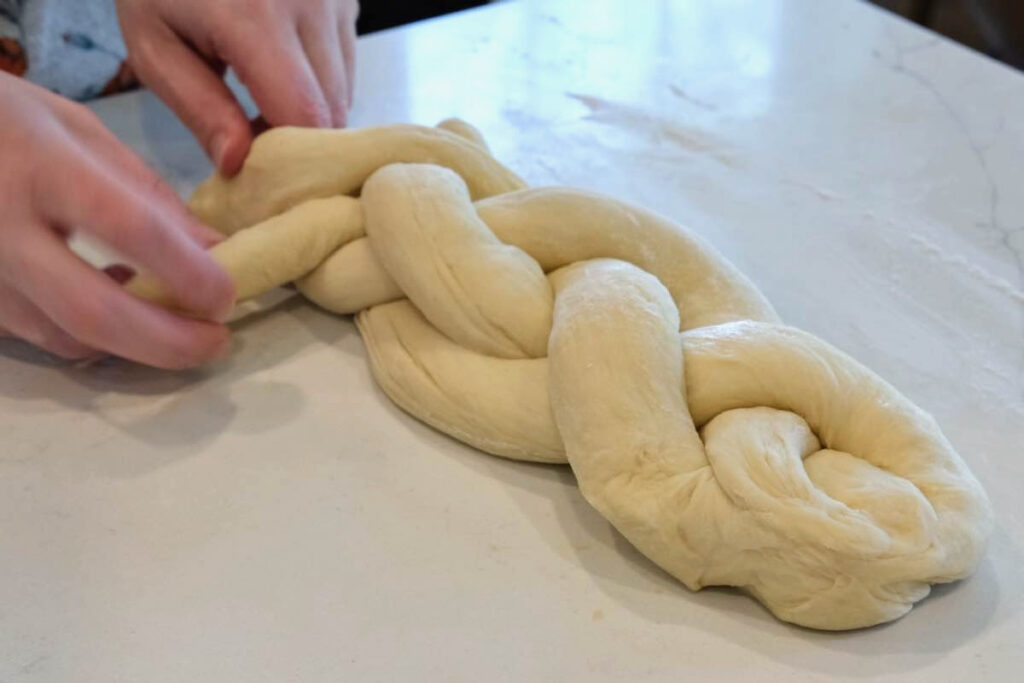
Whichever you choose, do not braid your loaf too tightly. One of the most common issues bakers have with challah is tearing down the center, or along the braids, which detracts from the aesthetics of the loaf (if not the taste). Mastering the braid is an important part of learning how to make challah bread.
Getting That Golden, Bakery-Style Challah Finish
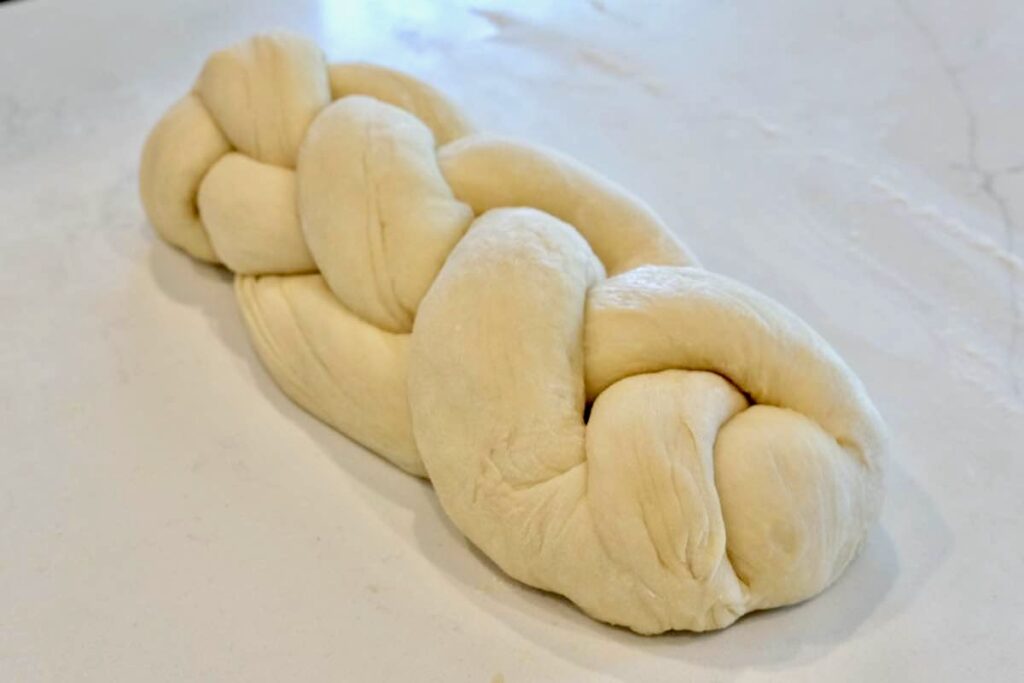
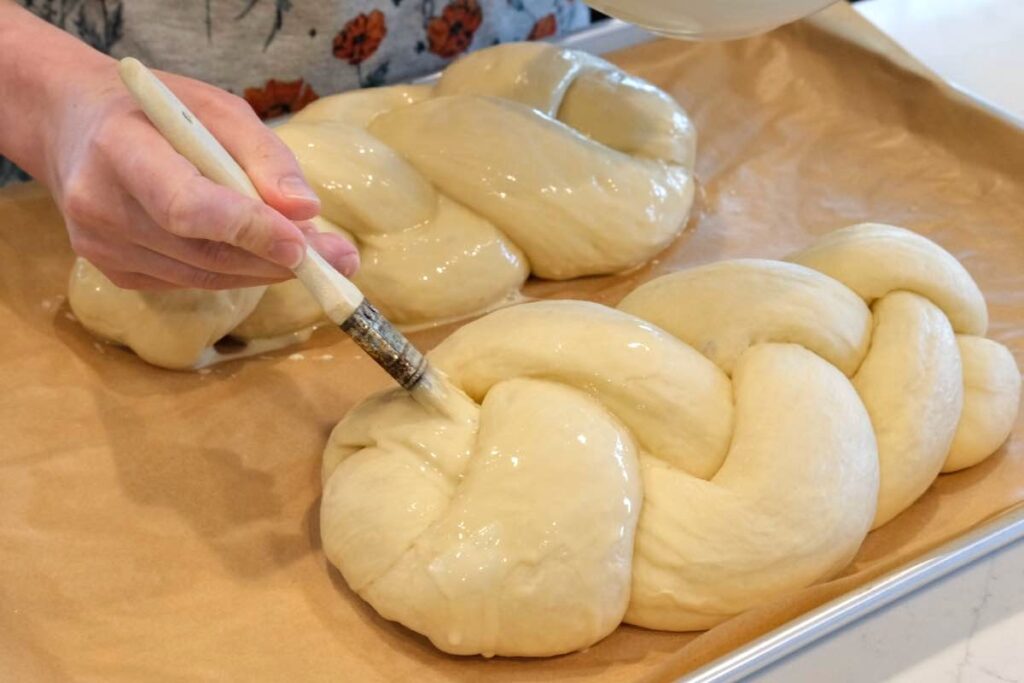
To create the most visually-pleasing loaf, brush with a wash of egg mixed with cream or milk (if you prefer a pareve loaf, simply brush with beaten egg yolk) immediately after braiding. Then, allow your (loose) braid to proof fully before baking—at least one and up to two hours. Your loaf should be puffed like a marshmallow. If you press gently into the dough, the dent should spring back slowly.
Immediately before baking, brush generously (and gently) once again with the egg wash, paying special attention to the area between the braids.
The egg wash will add a beautiful golden color and sheen to your homemade challah bread.
Steamy Oven for Nailing that Soft, Tender Crust
When making homemade challah bread, keep in mind that challah should be soft and should not have a hard crust. To achieve a soft crust, you have to create a steamy environment in your oven.
You can do so by placing a cast-iron pan on the lowest rack of your oven as it preheats—do not use other materials, as they may crack. You can (carefully) pour boiling water into the pan just before adding your bread, or add two cups of ice cubes to the pan.
Enjoying Your Homemade Challah Bread
With these tips and techniques, you’re ready to bake with confidence. From starting with a sponge to braiding carefully and creating a soft, golden crust. Each step helps you master how to make challah bread. Soon, you’ll be enjoying loaves that are tender, flavorful, and beautiful. Just perfect for the Sabbath, a special meal, or simply to savor fresh from your kitchen. There is simply nothing like fresh, warm challah—made with love.
Homemade Challah Bread
Equipment
- Measuring cups and spoons or kitchen scale
- Kitchen scale or measuring cups
Ingredients
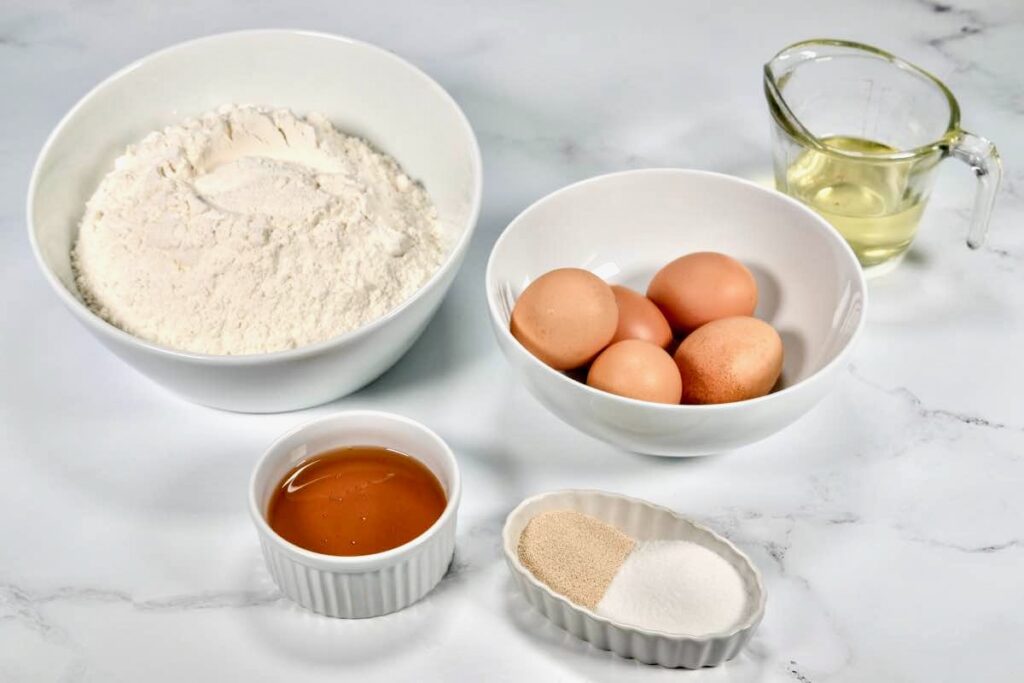
- 2½ teaspoons (7g) instant yeast
- 3 tablespoons (35g) sugar
- 1 ¾ cups (420) room-temperature water
- 7 cups (900g) bread flour
- 3 teaspoons kosher salt
- ⅓ cup (112g) honey
- ½ cup (120mL) canola oil
- 4 large eggs at room temperature
For the egg wash:
- 1 large egg
- 1 tablespoon milk, cream, or water
Step by Step Instructions
Step 1
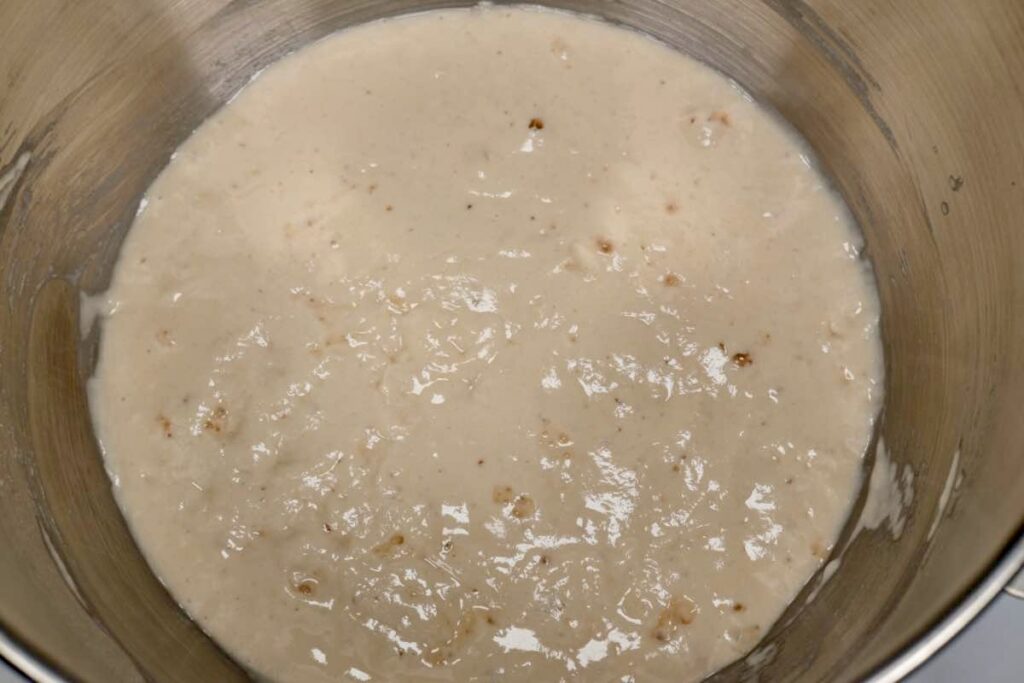
- First, make the sponge. To a large bowl (if you are using a stand mixer, use this bowl), add the yeast and sugar and dissolve in the water. Mix in 2 cups (260g) flour well using a rubber spatula. Cover with a towel, and let rise for 1-2 hours or until very bubbly and nearly tripled in size.
Step 2
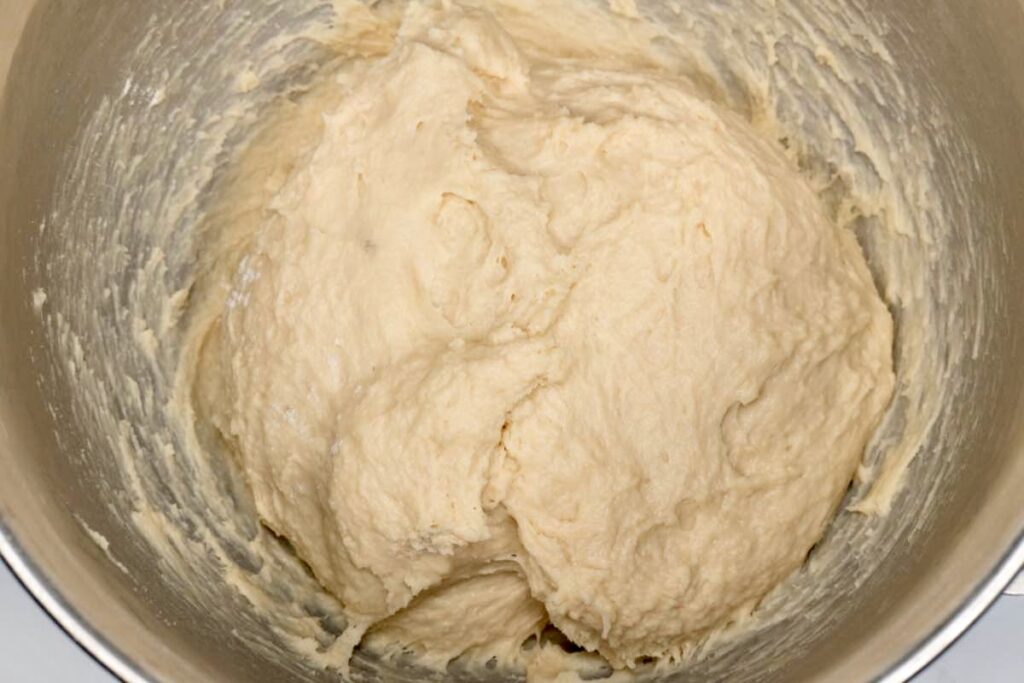
- Add in the salt, honey, oil, and eggs, and mix well with a rubber spatula. Now gradually add the remaining flour—you may not need it all (this depends on many factors, including humidity in the air!) If you have a stand mixer, mix well using the dough hook until a smooth dough forms, about 10 minutes. You may also mix in the flour by hand and knead until a smooth dough is formed. Your goal is an elastic, slighty-tacky dough.
Step 3
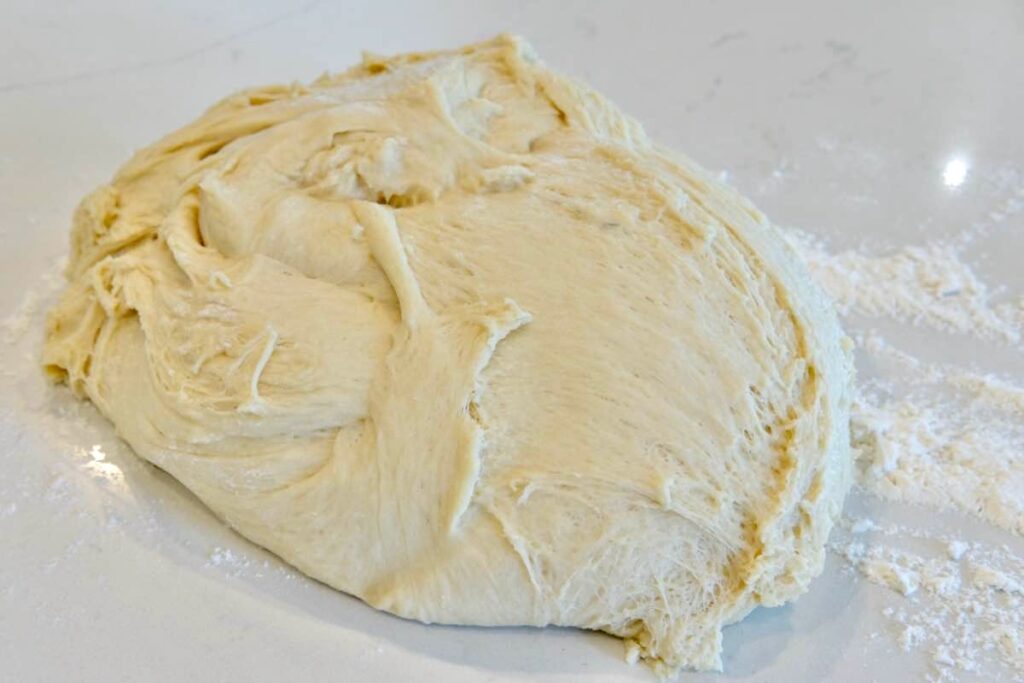
- If the dough is too sticky, add flour, a little at a time, until you have formed a smooth, elastic dough. It should spring back slightly when you press lightly with your finger.
Step 4
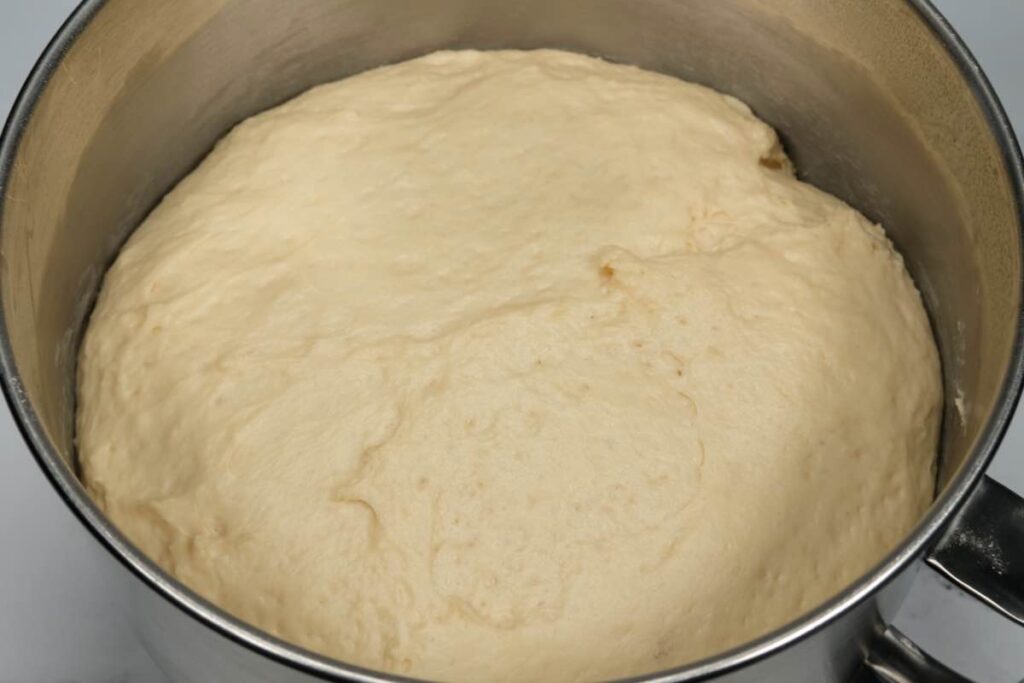
- Once the dough is ready, transfer it to a large, well-oiled bowl, and cover with plastic wrap or a damp tea towel and allow to rise in a warm place until doubled in bulk, 1-2 hours. Punch down, cover, and allow to rise again for 30 minutes.
Step 5
- Punch the dough down and divide it into eight equal portions (for four-braid loaves—my preference) or 12 equal portions (for six-braid loaves). Roll each portion into a small bowl by pressing the dough firmly into the palm of your hand and rotating your hand in a circular motion. Cover the balls of dough with a damp tea towel and allow to rest for 20 minutes.
Step 6
- Now roll your dough into long ropes and braid into loaves.
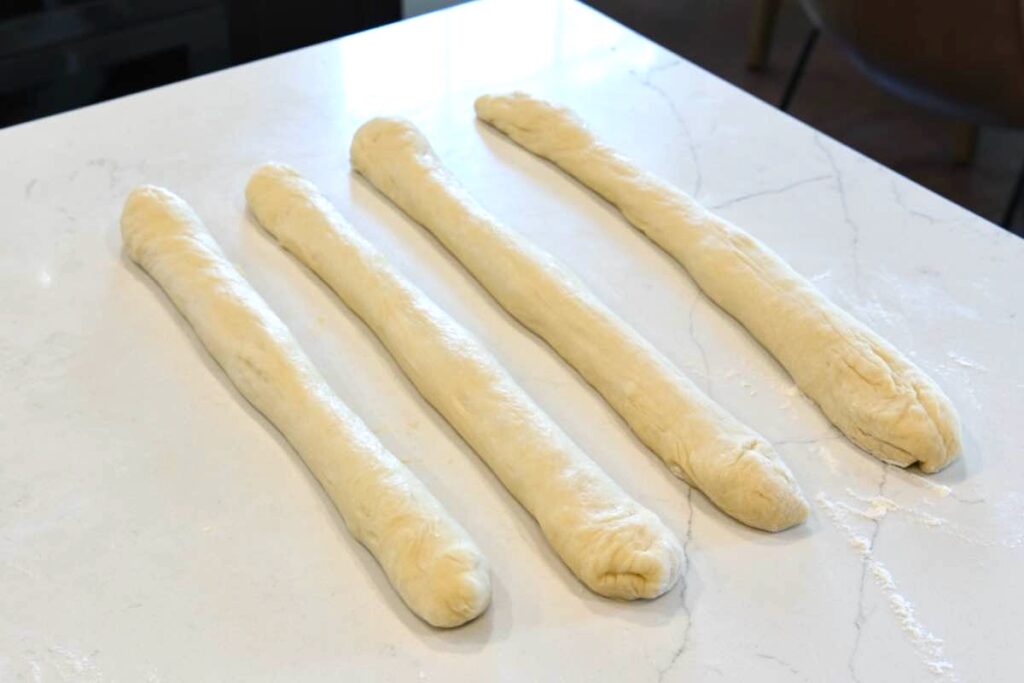
- Here is a tutorial for my favorite four-strand braid.
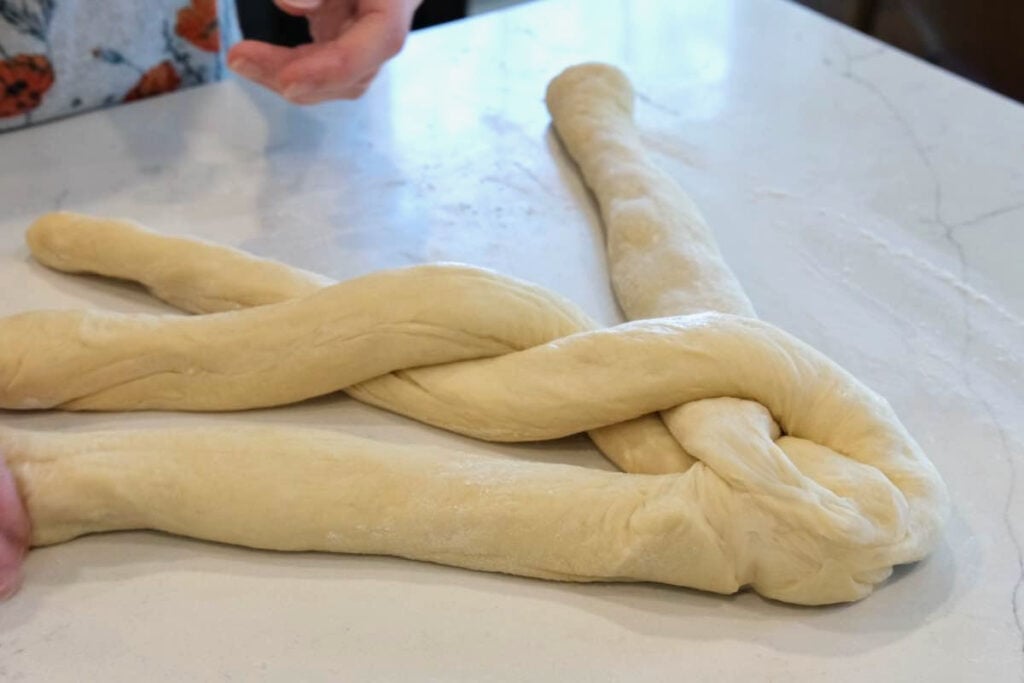
- Transfer the loaves to a large, parchment-lined sheet pan. If you have another sheet pan of the same size, nest it underneath your first sheet pan, which helps prevent the bottoms of the loaves from burning.
Step 7
- Prepare your egg wash by whisking an egg well with 1 tablespoon milk, cream, or water. Brush the loaves with egg wash and allow to rise for 1 hour.
- After about 45 minutes, preheat your oven to 350°F (190°C) (be sure to remove the loaves first if they are rising in your oven!)Place an empty metal pan on the lowest rack in your oven.
Step 8
- Brush the loaves again with the remaining egg wash. Prepare 1 cup hot water.
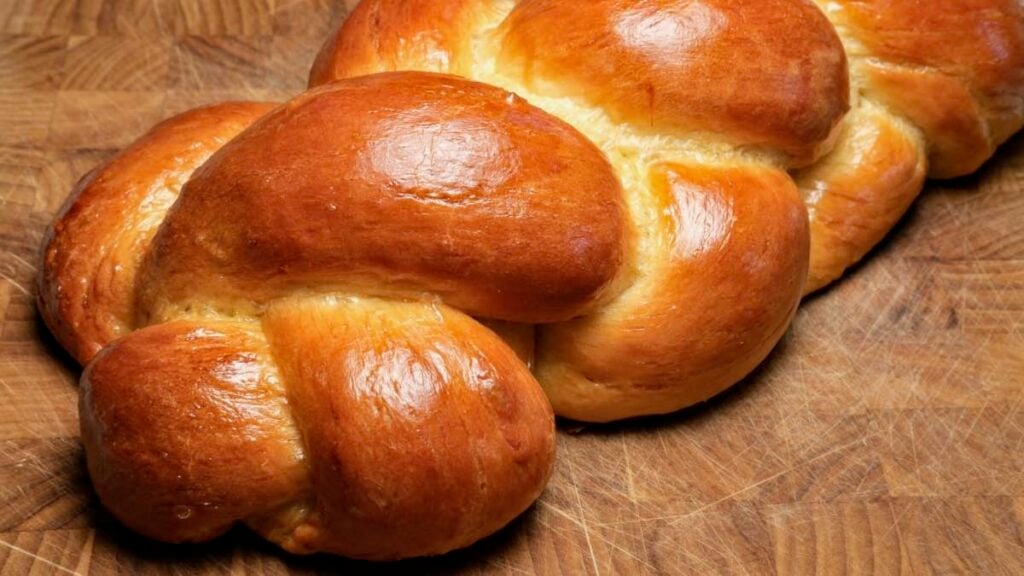
- Place your loaves in the oven, and carefully pour the hot water into the empty metal pan. The steamy environment will help achieve a soft, shiny crust.Bake the loaves on the center rack of your oven for 35-45 minutes, or until golden brown. When fully baked, the bread will sound hollow when you tap on the bottom of the loaves. Do not slice until fully cool.
Beverage Pairing
By: Olivia
Whether enjoyed on its own or alongside other dishes, this homemade challah bread pairs beautifully with a creamy Chardonnay. Look out for a Burgundian-style Chardonnay, known for its depth, bright acidity, and subtle nuttiness. The wine’s notes and texture will complement the bread’s richness and toastiness, making for a great match!