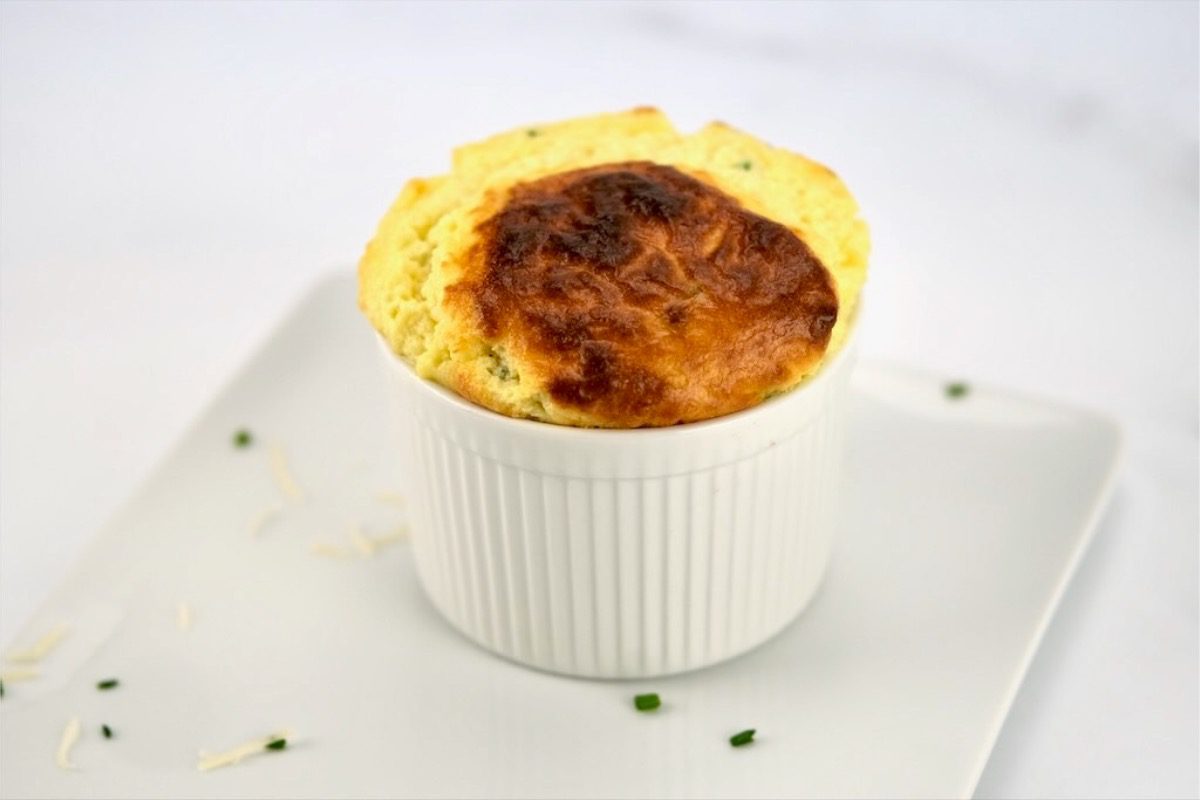
How to Make Cheese Soufflé (You Can Do It!)
About this Recipe
By: Rachel
Have you ever wondered how to make cheese soufflé? I know—it sounds scary. It looks intimidating. It seems like the kind of dish that you might order in a fancy French restaurant, but never attempt at home.
Really, fear not! Take a deep breath. You can do this. Because the big secret about soufflés? They’re not actually that hard to make! Below, you’ll find my easy steps for making cheese soufflé at home.
What’s the Big Deal About Soufflé, Anyway?
Soufflés are kind of magical. The experience of eating a good one is unforgettable, like biting into a flavorful, delicious cloud. Anytime they are seen on a restaurant menu, patrons gasp in surprise and delight.
We have to order that, diners often rationalize, because soufflés are so rare and special, so difficult to make—requiring years of specialized training under the auspices of a trained French chef—that they may never be so lucky as to see one offered on a menu ever, ever again. And certainly, they think, they would never attempt such a feat as making cheese soufflé at home.
The prepared dish certainly looks impressive, rising mile-high and wobbling precariously above the edges of its mold, as though the whole thing might collapse at any moment (which, actually… it might). It tends to elicit oohs and ahhs when it finally appears at the table, often with an accompanying bit of sauce that the server will pour into the prepared soufflé, tableside, with a flourish. It is a fun and memorable moment of drama.
So, Is It Really That Hard? How To Make Cheese Soufflé At Home
It is true that soufflés don’t often appear on restaurant menus, but it’s not because they are so difficult to make—rather, because they are tricky to time. Each one must be made exactly to order. The preparation cannot be rushed, nor can the soufflé wait an extra minute once it emerges from the oven. If you have seen them offered on a menu, you may also have seen a note along the lines of, “Please allow 20 extra minutes for preparation.” Not all restaurants are well-equipped to handle the tricky timing.
Soufflés are actually quite easy to prepare, and require very little in the way of prep time. However, it will help to read my tips and tricks below so that you can avoid common pitfalls. Soon, you will be using this easy cheese soufflé recipe to serve your appreciative guests.
Ready To Learn How To Make Cheese Soufflé? Let’s Do It!
Are you ready? Below, find some tips to help make sure your soufflés turn out perfectly. Read on for my easy cheese soufflé recipe!
Friendly Advice: Before You Begin Making Cheese Soufflé At Home
- Quality of ingredients: Use the best ingredients available. Soufflés are simple and delicate; to shine, they need great ingredients. In particular, avoid low-quality processed cheeses, which may contain ingredients that will adversely affect the final product.
- Baking dishes: Soufflé molds (ceramic ramekins made for this purpose) are ideal, since they are deep with high sides to support the soufflé as it rises. Other ramekins, or even a small Dutch oven, may be substituted. Prepare molds by coating the interior liberally with softened butter, then adding an additional layer of dry ingredients: finely-grated cheese (savory) or fine granulated sugar (sweet ). This will allow the soufflé to rise properly, without sticking to the sides of the mold.
Properly Preparing the Egg Whites and Base
- Preparing the egg whites: Soufflés rely on stiffly whipped egg whites for their signature texture and height. If the egg whites encounter even a tiny bit of fat, they will not reach the proper consistency.
- Therefore, make absolutely sure that your bowl and beater are completely clean and completely dry. Separate your eggs as follows: break your eggs, tipping the yolk into one bowl and the white into another. As you finish cracking each egg, pour the separated white into your mixing bowl, one at a time. That way, if you accidentally break a yolk, you can reserve that egg for another purpose rather than spoiling your entire batch of egg whites with one broken yolk.
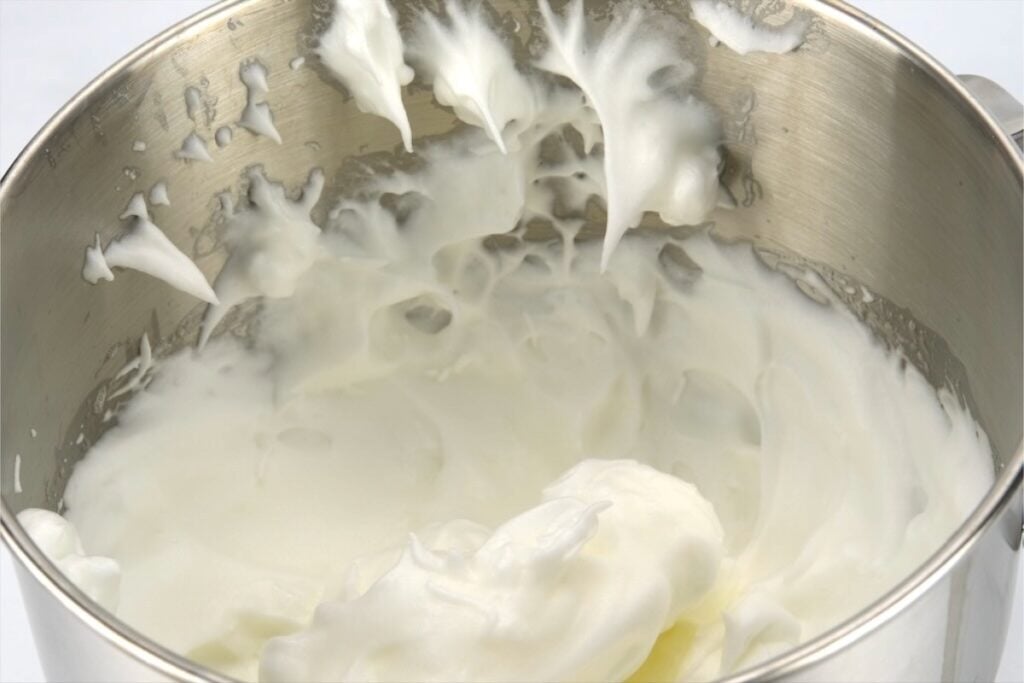
- The egg whites should be thick and glossy, and will form lasting stiff peaks when you remove the beater. When underdone, they will not form peaks, or the peaks will sink quickly back down into the whites. When overdone, the eggs will be very dry and foamy, like cappuccino foam or bubble bath.
- Preparing the base: You will prepare a flavorful base on the stovetop before gently folding in the whites. Set this base aside to cool in the refrigerator while you prepare the whites, lest the heat deflate your carefully-whipped egg whites.
How To Make Cheese Soufflé: Knowing When Soufflé Is Done
- Texture/doneness: The ideal texture of a souffé is light and fluffy throughout, with a pleasantly runny center. This is called the baveuse. If you have ever had a properly prepared French omelette, which has a deliciously creamy interior, you know what the baveuse is. Underdone soufflés will have goopy, wet, overly-runny centers; a bit like chocolate lava cake. Overdone soufflés are completely dry throughout, and typically, over-browned on top. Perfect soufflés have just a teaspoon or so of pleasant creaminess at the center.
Soufflés 201: Experimenting With Flavors, Sides, and Beverages
- Experimenting with my easy cheese soufflé recipe: Once you understand the basic steps and are comfortable making these soufflés as directed, you can experiment with your own flavors and ingredients. However, it is advisable to avoid adding “heavy” items (nuts, for example, or cubes of meat or vegetables). This may inhibit rising, and/or adversely affect the soufflé’s texture.
Try serving this cheese soufflé with Champagne, as Olivia suggests. Pair it with a French green salad to balance richness.
Beverage Pairing
By: Olivia
If you take the time to create a beautiful soufflé, you deserve something equally special to drink. For this savory soufflé, with its cheesy richness, open up some Champagne. Get a Blanc de blancs because the 100% Chardonnay will be crisp and bright while slightly buttery and toasty to complement the soufflé.
How To Make Cheese Soufflé
Equipment
- Stand Mixer (optional, for whipping egg whites)
Ingredients
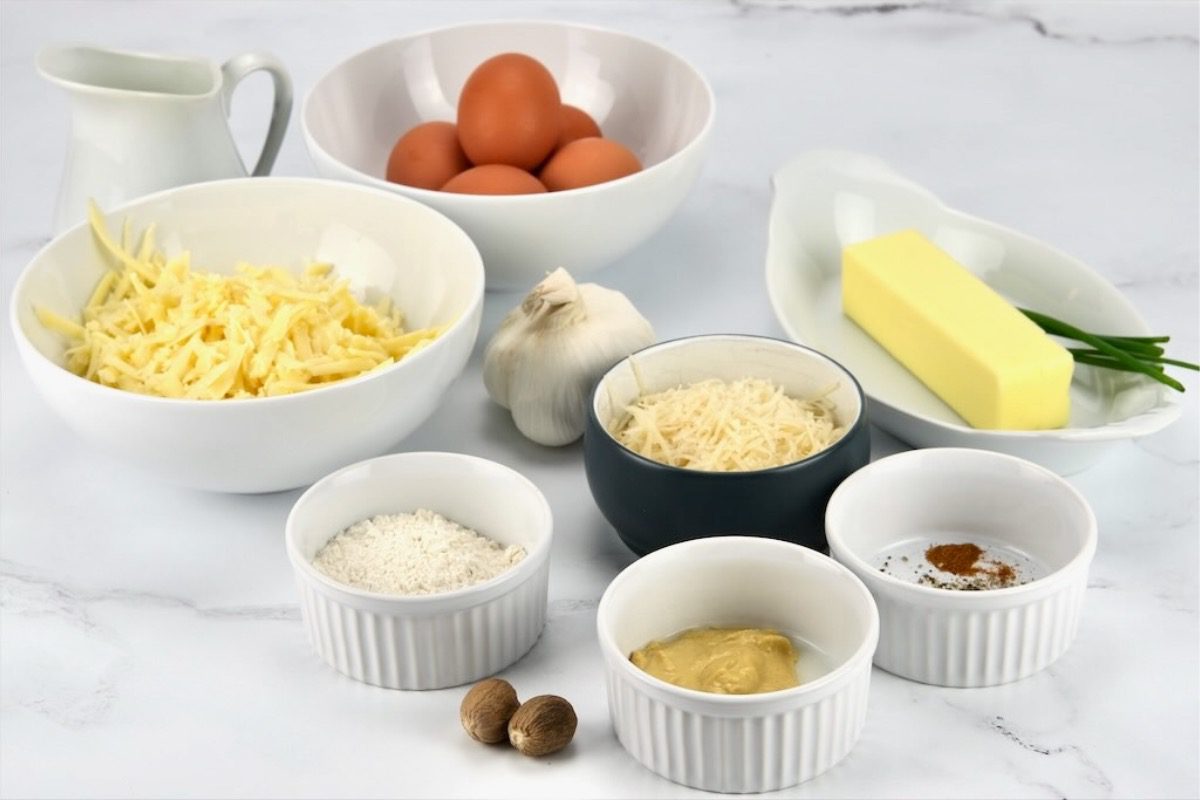
- 1 clove garlic crushed
- 4 tablespoons (60g) unsalted butter plus more for greasing the molds
- ½ cup (55g), plus 2 tablespoons for lining the molds Parmigiano-Reggiano cheese finely grated
- 4 tablespoons (36g) all-purpose flour
- 2 teaspoons Dijon mustard
- ¼ teaspoon kosher salt and freshly-ground black pepper
- Several gratings fresh nutmeg
- ⅛ teaspoon cayenne pepper
- 1 ½ cups (350mL) whole milk
- ¾ cup (85g) Gruyère cheese shredded
- ¾ cup (85g) Comté cheese shredded
- ¼ cup (12g) chives finely chopped
- 5 large eggs separated
- ¼ teaspoon cream of tartar
Step by Step Instructions
Step 1
- Preheat your oven to 400°F (200°C). Place six 8-ounce (235mL) soufflé molds, or one large (1½ quart or 1400mL) mold, atop a lined sheet pan.
Step 2
- In a heavy saucepan, melt the 4 tablespoons butter over medium heat. When melted, whisk in the flour to create a roux. Season the roux by whisking in the Dijon mustard, salt, pepper, nutmeg, and cayenne. Continue to cook for another minute, whisking continuously.
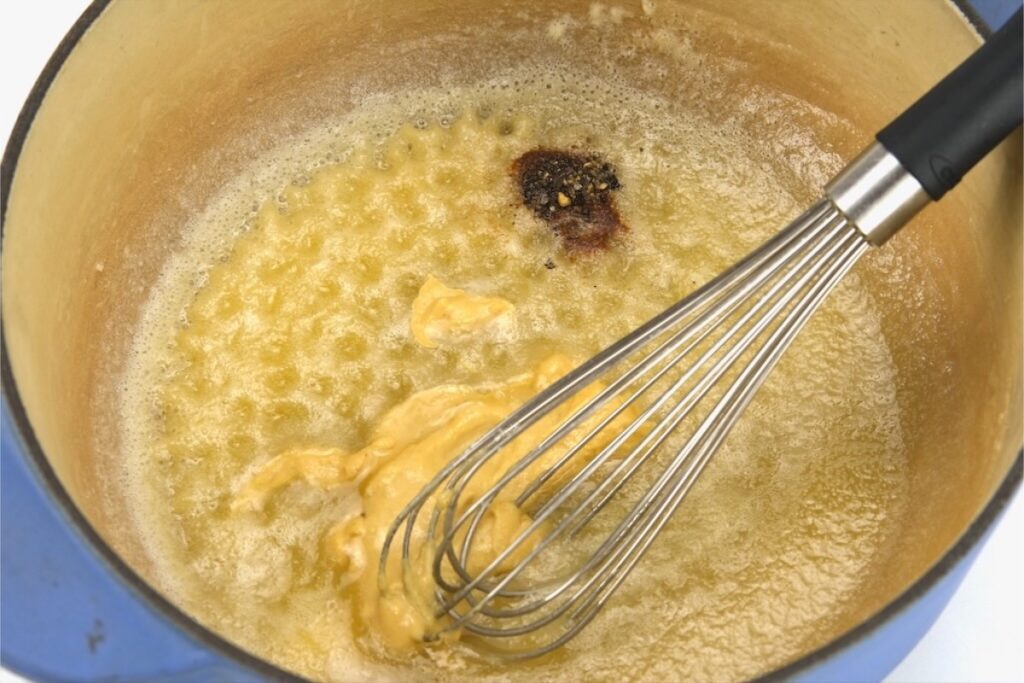
- Gradually whisk in the milk to create a thickened sauce.
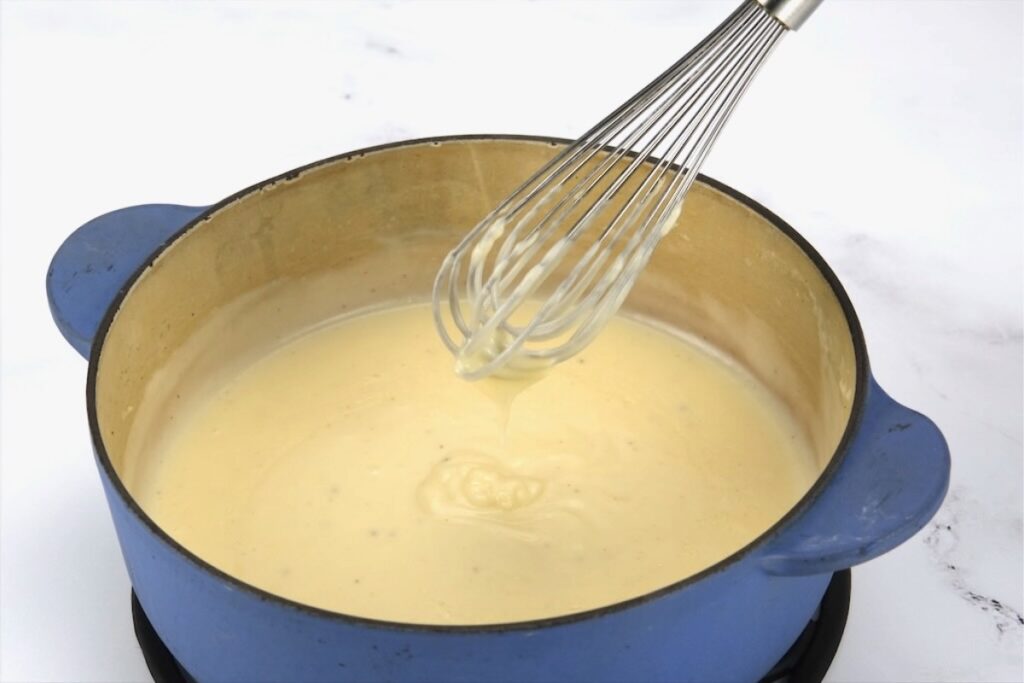
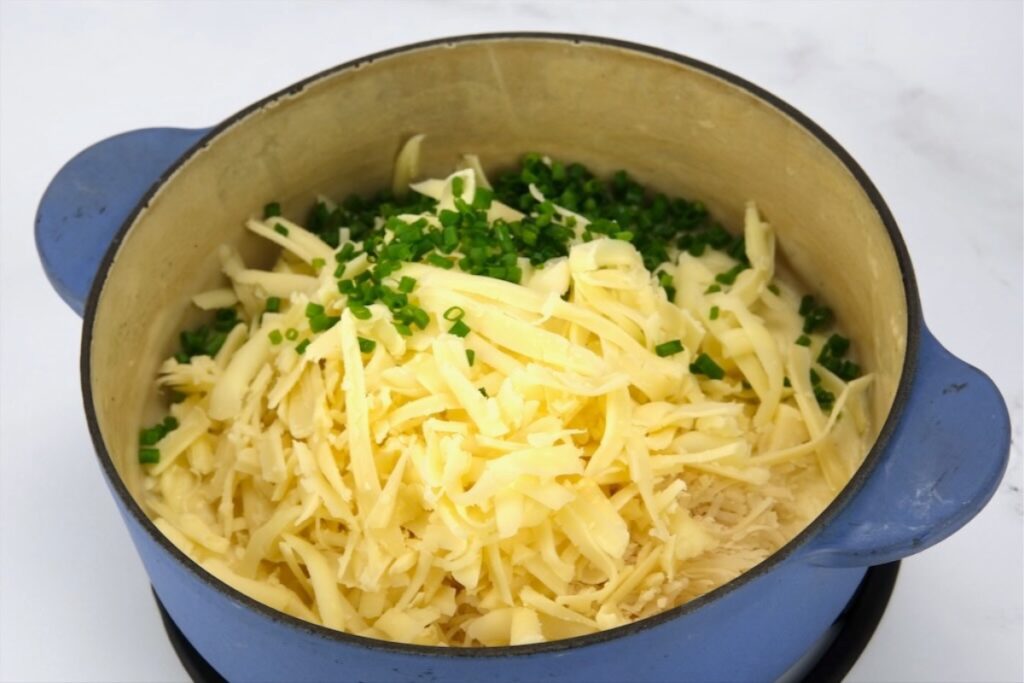
- Remove from the heat and stir in the remaining Parmigiano-Reggiano cheese, along with the Gruyère and Comté cheeses and the chives. This is your soufflé base.
Step 3
- Add your egg yolks to a medium bowl, and have a whisk at the ready.Add a large spoonful of the soufflé base to the egg yolks, whisking continually, to temper.
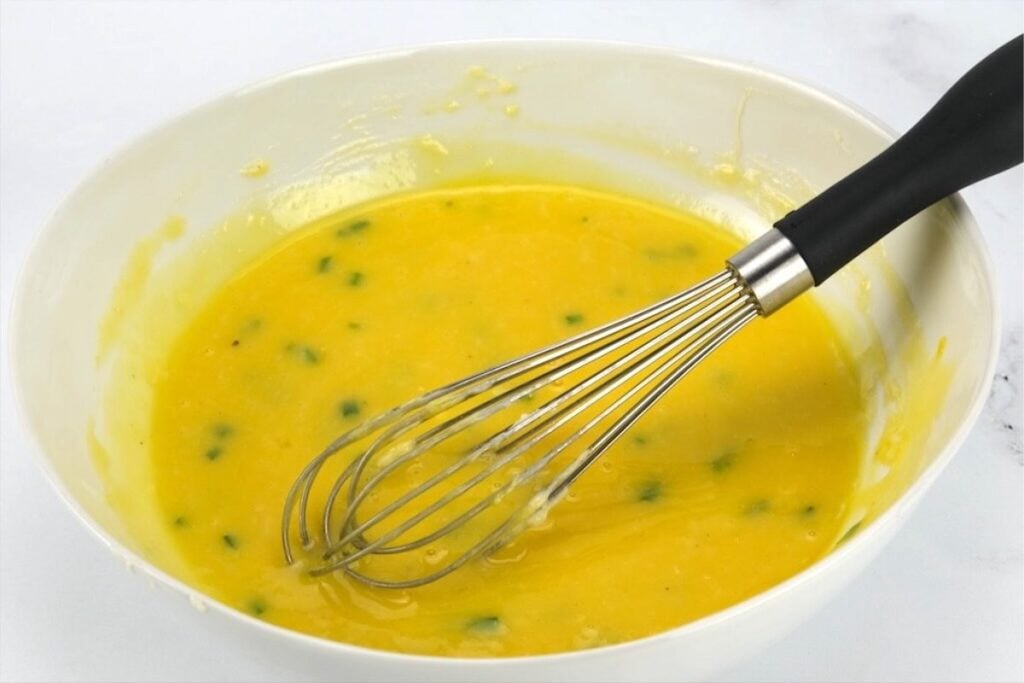
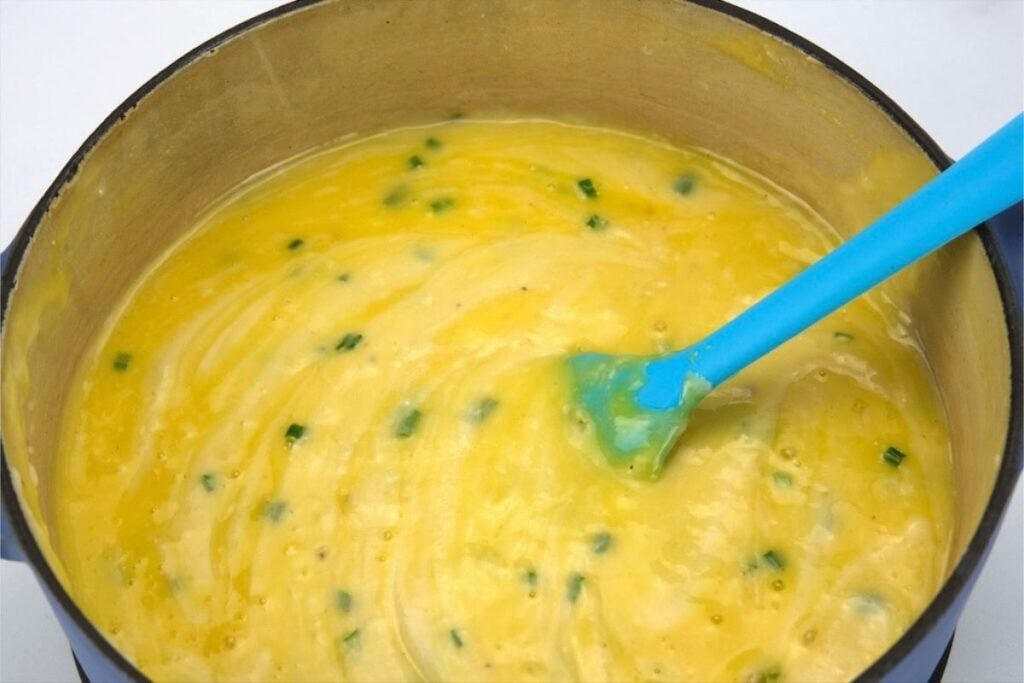
- Whisk in about ½ cup (120mL) more base to the egg yolk mixture. Return this tempered mixture to the saucepan and whisk until fully incorporated. Set this mixture in the refrigerator to chill.
Step 4
- Add the egg whites to a large, clean mixing bowl and have a hand mixer ready, or add to the bowl of your stand mixer fitted with the balloon whisk attachment.Add the cream of tartar and beat the egg whites to stiff peaks.
Step 5
- Remove the soufflé base from the refrigerator and stir to loosen. Using a rubber spatula, gently fold one-third of the egg whites into the soufflé base to lighten.
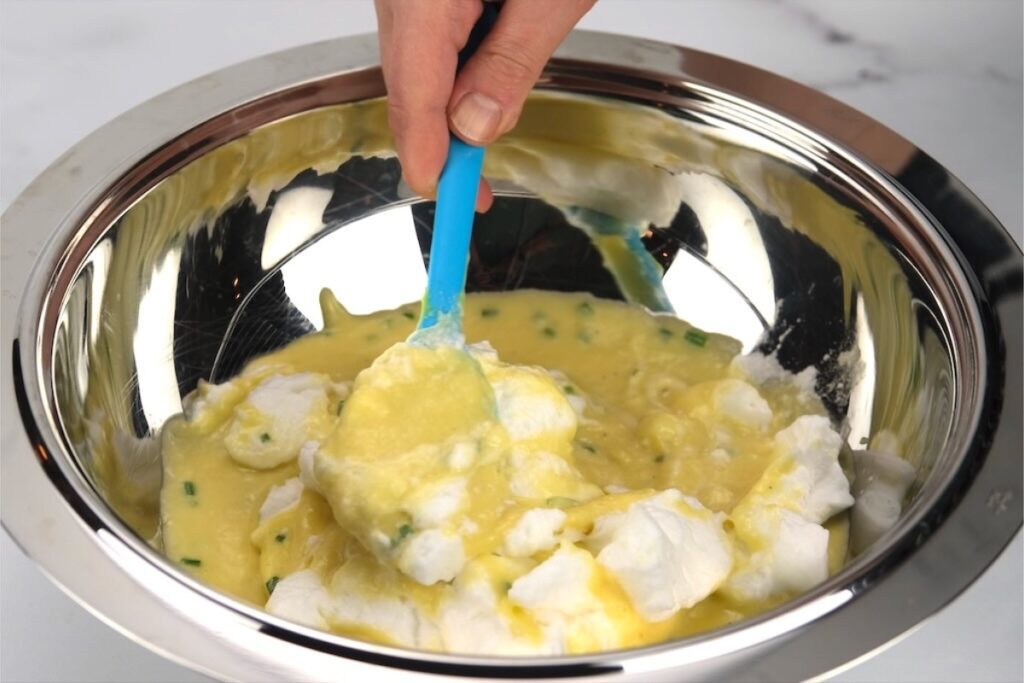
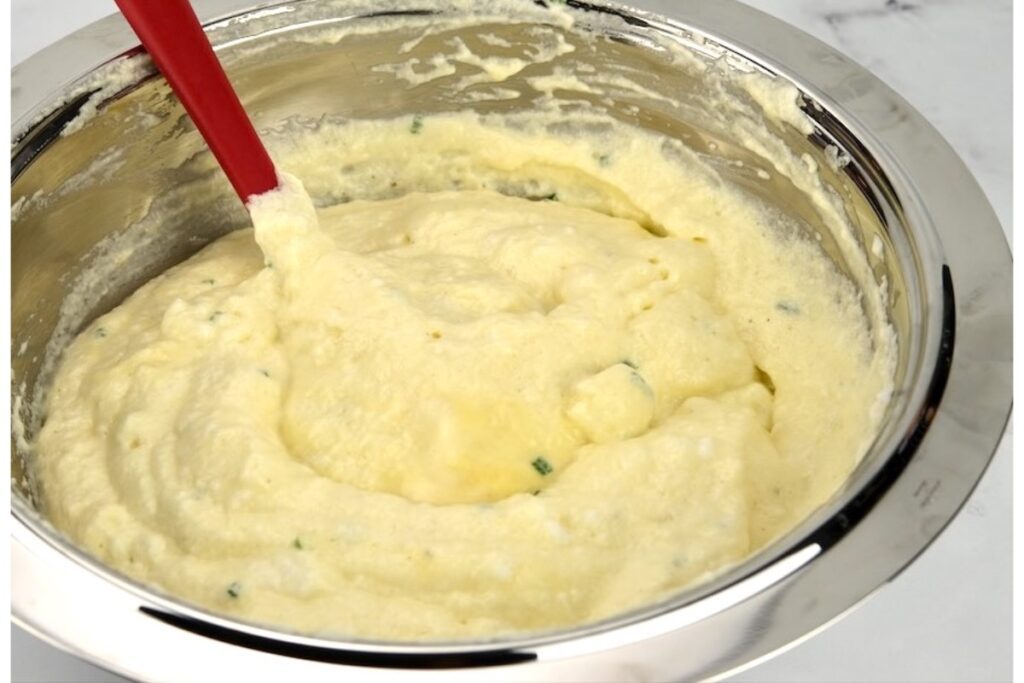
- Continue to fold in the remaining egg whites until no streaks remain. If the mixture is not well-combined, your soufflé may rise unevenly or crack.
Step 6
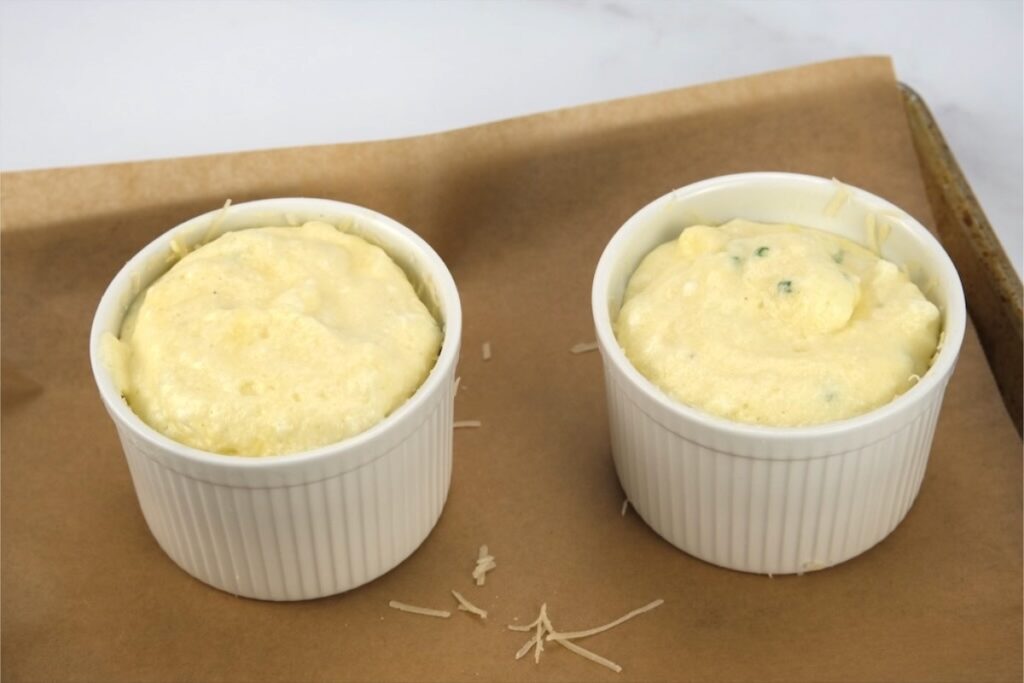
- Scrape the mixture into the prepared molds. The mixture should reach the bottom part of the rim.Run your finger along the edge of the soufflés to create a small gap between the mixture and the edge of the mold, which will help the soufflés to rise well.
Step 7
- Place the soufflés in the middle rack of the oven, shut the door, and immediately turn the temperature down to 375°F (190°C). Do not open the oven during the cooking process. Bake for 20-25 minutes (less for small, individual molds; more for one large soufflé).
Step 8
- When the soufflé has risen well above the mold of the rim, you may test it by slightly jiggling the sheet pan. The soufflés should have a very slight wobble. If you poke with the needle of a kitchen thermometer or long wooden tester, it should come out slightly wet, but not dripping with batter. If it comes out quite wet, continue to bake for another 2-3 minutes.
Step 9
- Bring the soufflés to the serving table immediately once they have been removed from the oven.
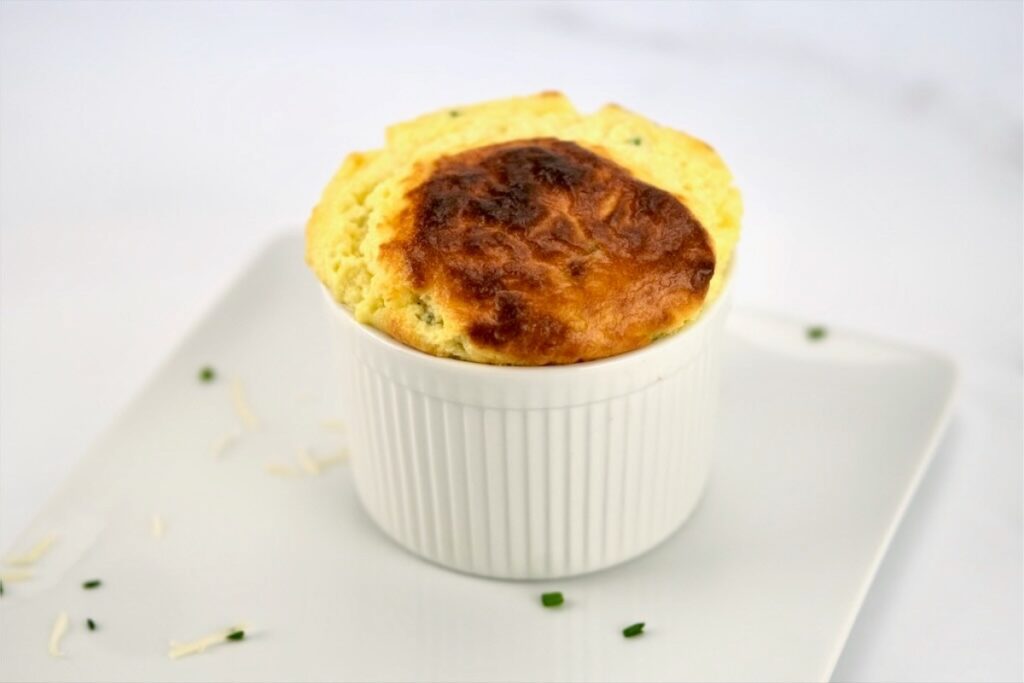
Yes, even you can do it. If I can do it, you most certainly can! I’ve made both the sweet and savory versions and personally I can’t get enough of the savory. Perfect for breakfast on a lazy Saturday morning.