Korin’s Israeli Salad Recipe (Salat Korin)
About this Recipe
By: Rachel
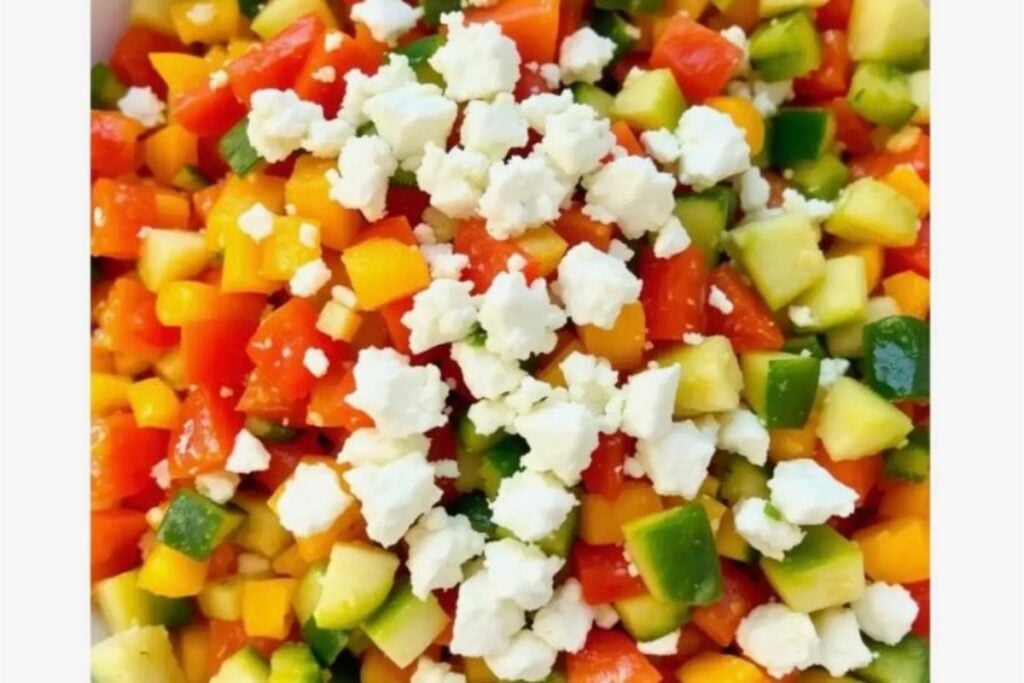
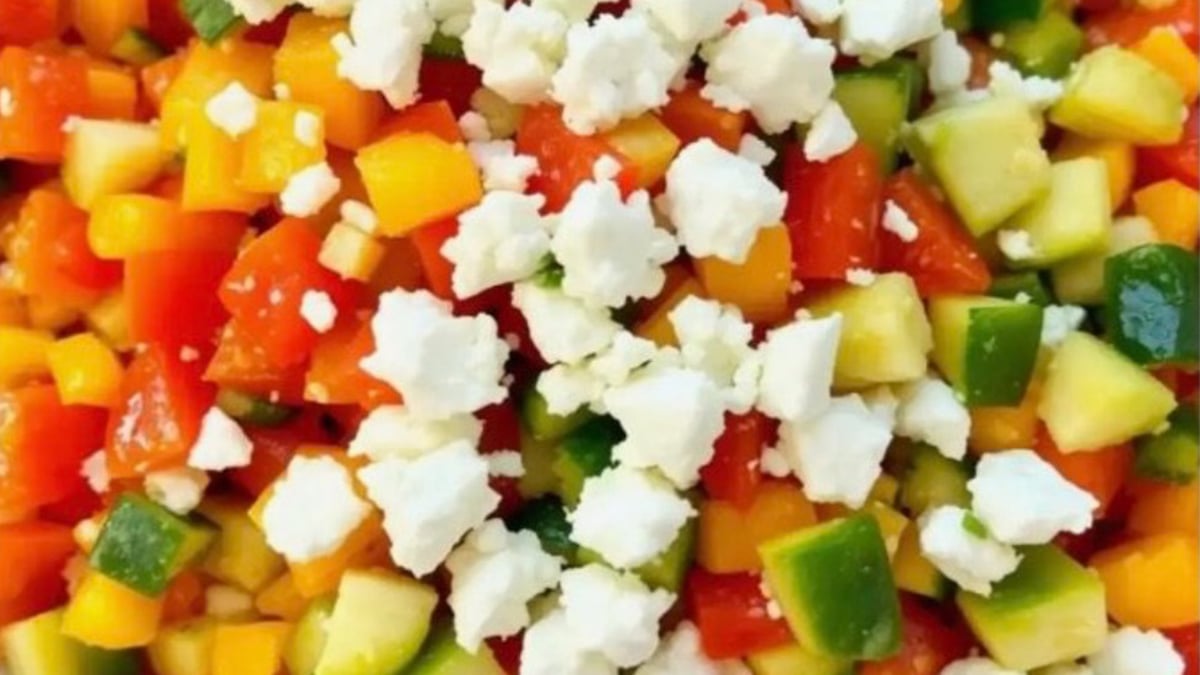
Fresh, colorful, and full of crunch, this simple Israeli salad recipe is a staple in Mediterranean cooking. Made with ripe tomatoes, crisp cucumbers, and a squeeze of lemon, it’s the kind of dish that feels both light and satisfying. Best of all, this Israeli salad comes together quickly and pairs beautifully with almost any meal.
The Story Behind This Israeli Salad Recipe
Korin is a dear friend from Israel who came to live and work in Seattle several years ago. During her three-year stay, she shared many traditional dishes from her homeland—warm, comforting soups spiced with hawayej, shakshuka (eggs poached in a spicy tomato sauce), Mediterranean salad, hummus rich with garlic, tahini, and olive oil; and much more.
But of all the foods she introduced me to, this easy Israeli salad recipe was a special one. It wasn’t just about the fresh vegetables and bright flavors. It carried with it the warmth of friendship and tradition. Each bite reminded me of the way food can connect us to people and places, even when we’re far from home.
This salad was always my favorite. Each time I joined her for Shabbat dinner or lunch, she would ask what I wanted, and my reply was the same: “Make your salad!” Korin’s Israeli salad recipe was my request for every holiday celebration and potluck. Eventually, it became known among our friends as salat Korin, Hebrew for “Korin’s salad.”
Why This Fresh, Colorful, and Easy Israeli Salad Stands Out
When it comes to classic Mediterranean dishes, this easy Israeli salad stands out for its simplicity and freshness. It takes just a few staple ingredients, but the result is so vibrant and satisfying to say the least.
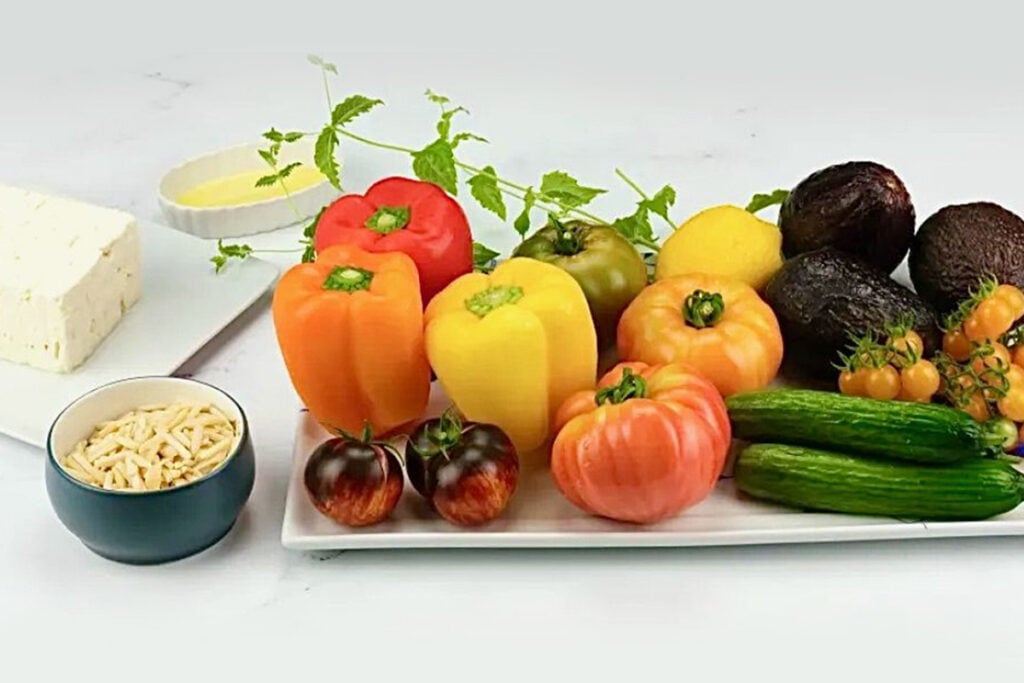
The rainbow of colors and brightness of fresh lemon was a welcome treat on any gray Seattle day. The richness of avocado, olive oil, and nuts make this a filling side dish or entrée. The magic of this salad lies in patiently taking the time to dice the vegetables as finely as you can, so that each forkful contains a delightful mixture of each ingredient. Purchase the best seasonal ingredients you can, in a variety of colors.
What to Serve with Korin’s Israeli Salad
One of the best things about this Israeli salad recipe is that it is easy to make, and works beautifully as both a side dish and a light main. You can pair it with meats like grilled lamb or grilled chicken to balance their richness. This salad is also absolutely delicious with shamburak, a delicious Kurdish pastry filled with braised beef and spiced potatoes from Jerusalem’s Ishtabach restaurant.
It also shines as part of a mezze platter with with dips and warm pita bread.
Beverage Pairing
By: Olivia
It’s a no-brainer to pair this salad with a white wine that offers acidity, brightness, and freshness. If you want to play up some of the vegetal flavors from the salad, look no further than your favorite glass of Sauvignon Blanc. If you want to match the crisp acidity in the salad, try out Assyrtiko from the Aegean Islands. Both will really hold up to the flavors of Korin’s Salad!
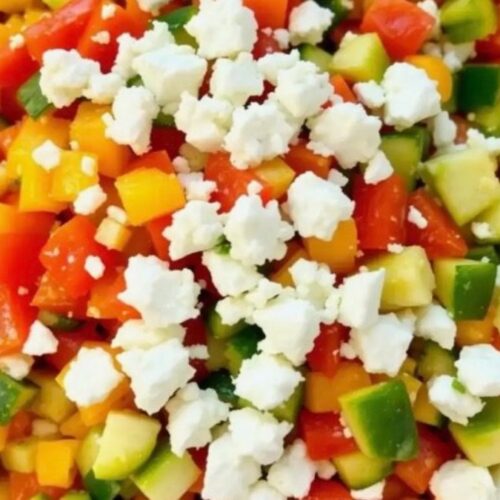
Korin’s Israeli Salad Recipe (Salat Korin)
Ingredients
- 3-4 medium ripe tomatoes or 3 cups cherry tomatoes
- 3-4 small Persian cucumbers
- 1 each red, yellow, and orange bell pepper
- 1 tablespoon extra-virgin olive oil
- ½ teaspoon kosher salt
- ½ cup (70g) full-fat feta cheese in brine or olive oil, crumbled
- ½ cup (70g) slivered almonds (the original salat Korin contains walnuts)
- 2 ripe avocados
- Juice of 1 lemon
Step by Step Instructions
Step 1
- Finely dice the tomatoes, cucumbers, and bell peppers, and add to a large salad bowl.
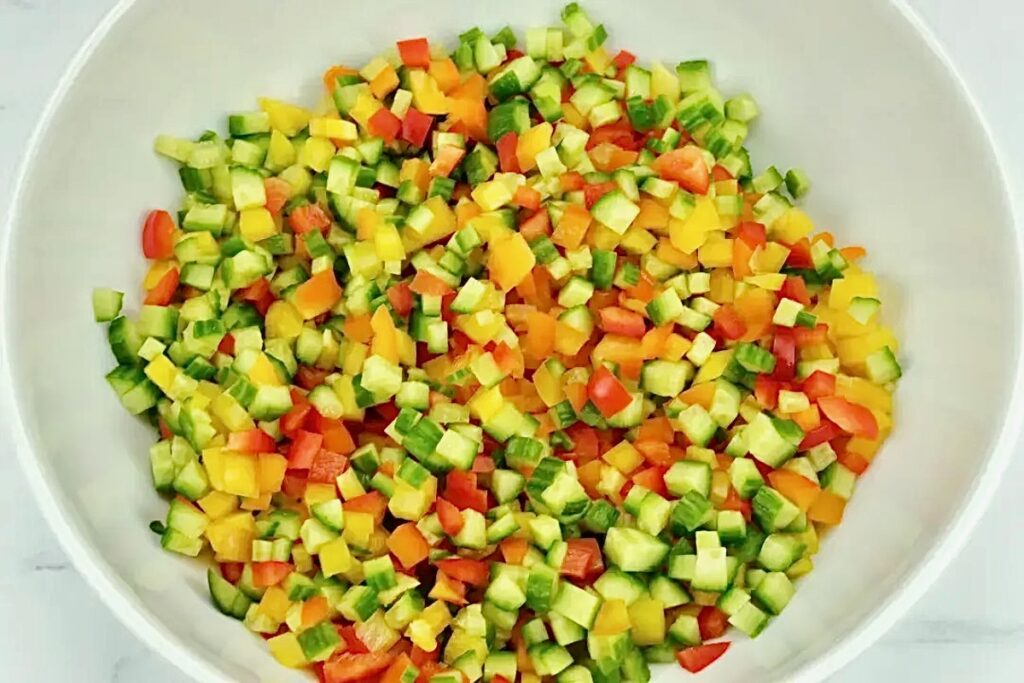
- Add the olive oil, salt, feta, and nuts, and stir to combine.
Step 2
- Now open and pit the avocados.
- Using a butterknife, carve large chunks into the meat of the avocado, and scoop the chunks directly into the salad bowl with a spoon.
- Stir to incorporate the avocado (it will break up slightly, adding a creamy element to the salad).
Step 3
- Add the lemon juice, stir again to combine, taste, and adjust for seasoning. This salad does not keep well, so simply reduce the amounts if you need less.